What a Masonry Warranty Really Covers
A masonry warranty is a promise about workmanship, not a promise that the ground under your house will stop moving. Knowing the difference is how you read one quote against another.
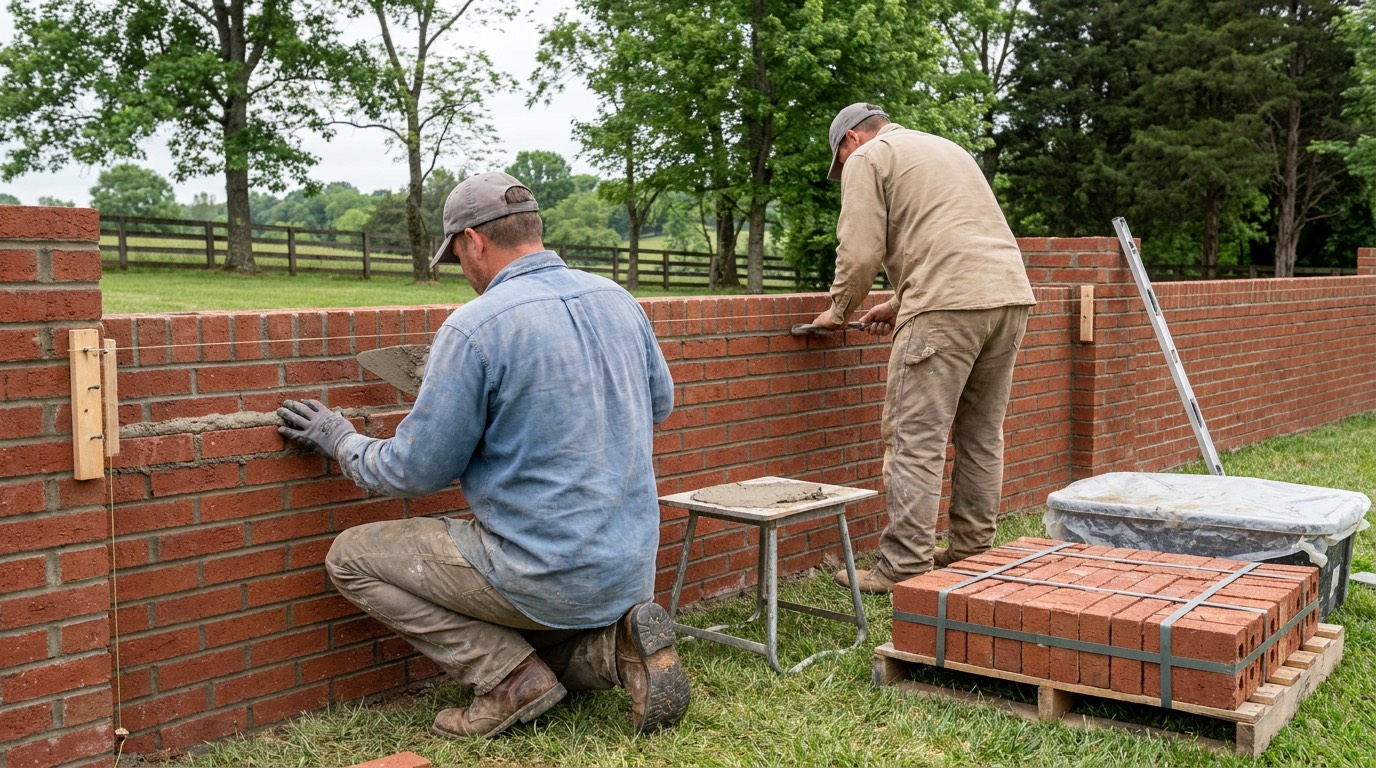
Two different promises get called a warranty
When a homeowner hears warranty, they usually picture one document. In masonry there are two, and they cover different things from different parties.
The manufacturer warranty comes from whoever made the brick, block, stone or mortar. It covers the product being what it claims to be. It does not cover anything about installation, and it is generally worth very little in practice because material defects are rare compared to installation problems.
The workmanship warranty comes from the contractor. It is a promise about how the work was done. This is the one that actually matters on a masonry job, and it is the one to read closely.
What a workmanship warranty should cover
A workmanship warranty covers defects in what the mason controlled. If the crew did it, the warranty should stand behind it.
That means mortar joints that fail prematurely, units laid out of plane, ties or flashing installed incorrectly, weep holes left blocked, a cap or crown that cracks from poor detailing, a repointed area that deteriorates well before it should. These are all outcomes of decisions and technique on site.
It should be written down. A verbal assurance that the mason stands behind the work is probably sincere and is worth nothing if the person retires, sells the business, or simply remembers the conversation differently in four years.
- Mortar joints failing early in the repaired or newly laid area
- Wall out of plane, out of level, or with visible course irregularity
- Ties, flashing and weeps installed incorrectly or omitted
- Cracking traceable to how the work was executed
- Cap, crown or coping detailing that fails prematurely
- Cleanup and finish issues left behind at completion
Want a price for your own wall?
Four quick questions and we come back with a written quote. Or call (772) 251-6654 if that is faster.
Request a quote
Four questions, about a minute. We'll call you back.
What no mason can honestly warrant
This is the part good contractors explain up front and weak ones leave vague until there is a problem. Masonry is attached to a building, and a building sits on ground that moves.
Clay soil around Murfreesboro shrinks in a dry summer and swells with a wet spring. Limestone bedrock sits shallow across much of Rutherford County and deep again a few feet away. If a footing moves, the masonry above it moves with it, and that is not a workmanship defect no matter how well the wall was laid.
The same logic applies to the rest of the building. A mason cannot warrant a wall against water coming from a roof, a gutter or a grading problem. They cannot warrant that adjacent existing brick, already weathered by decades of freeze thaw, will hold up as well as the new work beside it.
- Movement from soil, footing or foundation settlement
- Damage from water entering elsewhere, including gutters, roof and grade
- Freeze thaw deterioration in existing brick outside the work area
- Efflorescence and natural color variation in brick and stone
- Impact, vehicle, storm and tornado damage
- Anything caused by later work by another trade or by the owner
Repair warranties are narrower than new work, and should be
There is a real difference between building a new wall and repairing someone else's. On new construction the mason controls the whole assembly. On a repair they inherit a wall built by someone else, decades ago, under conditions nobody documented.
So a repointing warranty typically covers the joints that were repointed. A brick replacement warranty covers the units replaced. It does not extend to the rest of the wall, and expecting it to is asking a contractor to guarantee work they did not do.
The important thing is that the boundary is written clearly. A drawing or a description that identifies exactly which elevations, which openings and which areas are included leaves nothing to argue about later.
What realistic terms look like
Durations vary by contractor and by scope, and no single term has settled into a standard for masonry around Murfreesboro. What you can do is judge whether the term offered matches the work.
A modest repointing section might carry a shorter term than a full chimney rebuild, and that is reasonable. What matters more than the number of years is the specificity. A two year warranty with a clear scope is more useful than a ten year warranty with exclusions broad enough to swallow the whole document.
Read the exclusions before the headline. That is where the actual coverage lives.
- The exact scope of work the warranty attaches to
- Start date, whether from completion or from final payment
- Named exclusions, in plain language
- Who to contact and how a claim gets made
- Whether it transfers if you sell the house
- Business name and license information matching the contract
Warranty language worth walking away from
Certain phrases signal that the warranty is a sales tool rather than a commitment. None of them are illegal. All of them should slow you down.
Lifetime is the most common. A lifetime warranty on masonry from a small contractor is a promise about a business outliving a building, and the phrase usually appears in place of specifics rather than alongside them. Ask whose lifetime, and ask what it excludes.
The rest are simpler. A warranty offered verbally is not a warranty. A warranty on a quote that does not name the business, or names a business you cannot find registered, has nobody standing behind it, and a Murfreesboro address on a truck door is not a registration. A demand for full payment up front is a warning independent of any warranty language, because leverage after completion is most of what makes a warranty enforceable in practice.
- Lifetime coverage with no definition of whose lifetime
- Nothing in writing, only a handshake and a promise
- A business name that does not match the contract or any registration
- Exclusions so broad that nothing realistic remains covered
- Full payment demanded before work begins
Keeping your side of it
Most masonry warranty disputes never reach a legal question. They end at a simpler one, which is whether the failure came from the work or from something that happened to the wall afterward.
That is largely in your hands. Gutters that overflow onto new brick, soil regraded against the wall, a sealer applied by someone else, weep holes caulked shut by a well meaning painter, a planter built tight to the foundation. Each of these introduces water and each gives a contractor a legitimate reason to decline a claim.
Keep the paperwork together. The contract, the written warranty, dated photos of the finished work, and any correspondence. It costs nothing and it converts a disagreement about memory into a conversation about documents.
Settle one thing before any of this becomes relevant. A warranty you cannot enforce against anybody is just a sentence on a quote. No masonry license exists in this state to look for. What exists is a state contractor license, required past a certain project value, and the Tennessee Board for Licensing Contractors both issues it and takes complaints against the people holding it. Pull the current value and your contractor's standing from the Board yourself, and have the certificate of insurance sent by the insurer. A business the state has no record of is a business you will struggle to hold to anything.
Related questions
What is a typical masonry workmanship warranty length?
It varies widely by contractor and by scope, and there is no industry figure to hold anyone to. Small repairs commonly carry shorter terms than full rebuilds. Rather than shopping for the longest number, compare what each warranty actually covers and what it excludes, because a short specific warranty often beats a long vague one.
Is a lifetime masonry warranty real?
It depends entirely on the definition, and the definition is usually missing. Ask whose lifetime, ask what it excludes, and ask what happens if the business closes. There is a local version of this worth catching too. A soft nineteenth century wall downtown and a modern veneer front out in Smyrna wear out on completely different clocks, so a single blanket term offered for both tells you nobody looked at the wall.
Does a masonry warranty transfer to a new owner?
Sometimes, and only if the document says so. Many workmanship warranties are written to the original customer and end at sale. If you are planning to sell, ask for transferability in writing before the work starts, since adding it afterward is a favor rather than an obligation.
My repointing looks fine but a crack appeared elsewhere. Is that covered?
Usually not. A repointing warranty covers the joints that were repointed, not the rest of the building. New cracking in an untouched area is more likely about movement than about the repair, and on Rutherford County clay that movement has a season to it: the ground shrinks through a dry August and swells again with spring rain. Report it anyway. The mason who did the work is well placed to say which of the two you are looking at, and a dated photograph settles the argument later.
What if the contractor goes out of business?
A workmanship warranty is a promise from one business, so it generally ends when that business does. That is the practical argument for hiring somebody with a long history in this county rather than the lowest number on the pile, and crews that arrive for a storm season and leave again write warranties too. Confirm license standing and insurance before signing, not after something goes wrong.
Is a warranty a substitute for checking license and insurance?
No, and treating it that way gets homeowners into trouble. A warranty is only as good as the entity behind it. Verify the contractor's standing with the Tennessee Board for Licensing Contractors, get a certificate of insurance directly from the insurer, and treat the warranty as the last check rather than the first.
More guides
All guides →Mortar Types N, S and O, and Why Stronger Is Often Wrong
Ask a mason what mortar is going in your wall and the answer should be a letter with a reason attached. If the reason is that it is the strongest available, something is off.
ReadBrick Maintenance on MTSU Area Rentals: A Landlord's Working List
Rental brick near campus fails in a predictable order, and almost all of it starts with water that was never managed. Here is how to triage it across a portfolio.
Read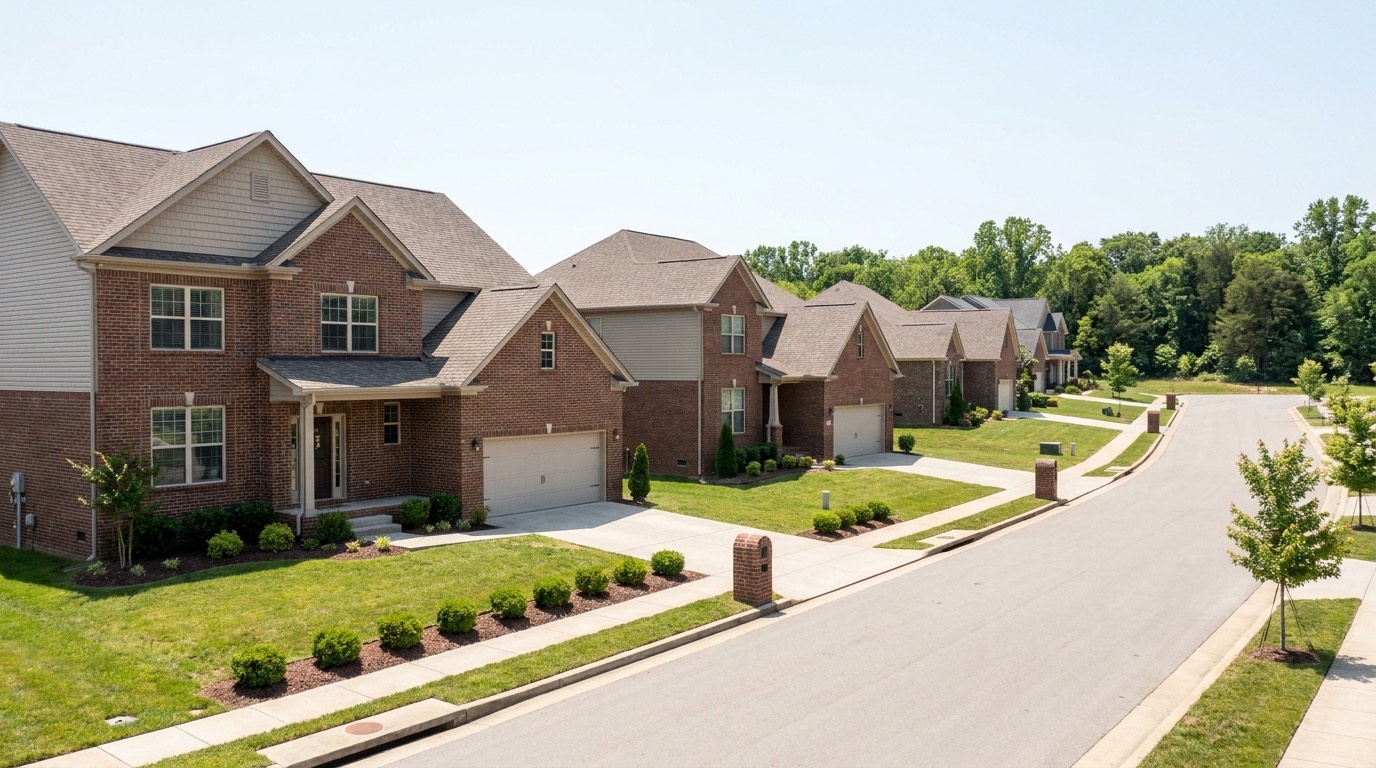 Local guide
What to Watch on New Brick Veneer in Smyrna and La Vergne
A ten year old subdivision house is not old. It is just old enough for the details behind the brick to start reporting on how carefully they were built.
Read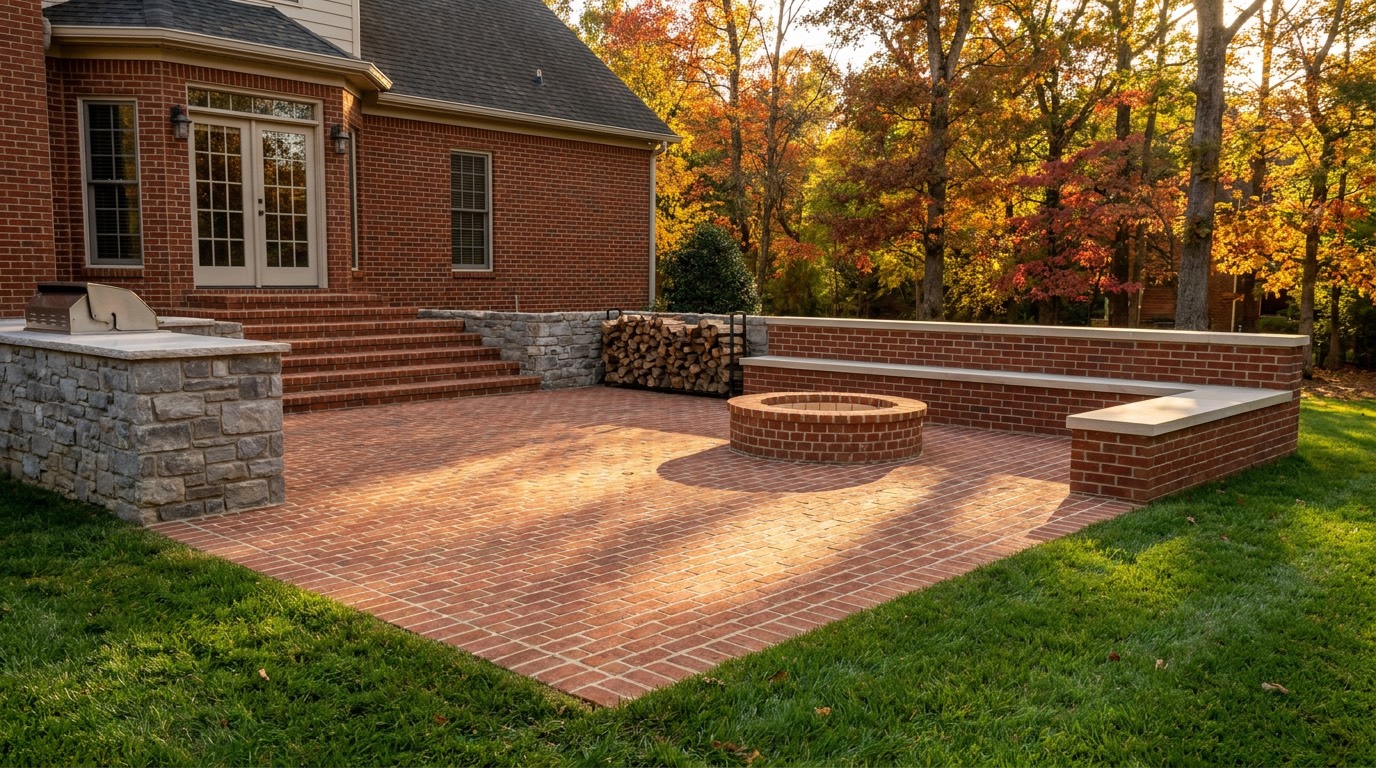 Cost guide
What an Outdoor Fireplace Costs in Murfreesboro
Most of an outdoor fireplace budget sits in three places you cannot see from the finished photo: the footing, the firebox and the chimney height. Here is how those move the number in Rutherford County.
ReadWhat a Pressure Washer Really Does to Brick and Mortar
A rented pressure washer can remove more mortar in ten minutes than weather removes in ten years. The damage is quiet, and it usually shows up the following winter.
ReadStraight answer on your wall.
Call, or send the form and we will get you a written price.