Brick Fireplaces in Murfreesboro, TN
A fireplace has to do two jobs at once. It has to look like the center of the room, and it has to move smoke up a flue reliably for thirty years. We build and rebuild indoor and outdoor brick fireplaces across Murfreesboro and the surrounding towns.
Request a quote
Four questions, about a minute. We'll call you back.
The parts of a masonry fireplace, and why they matter
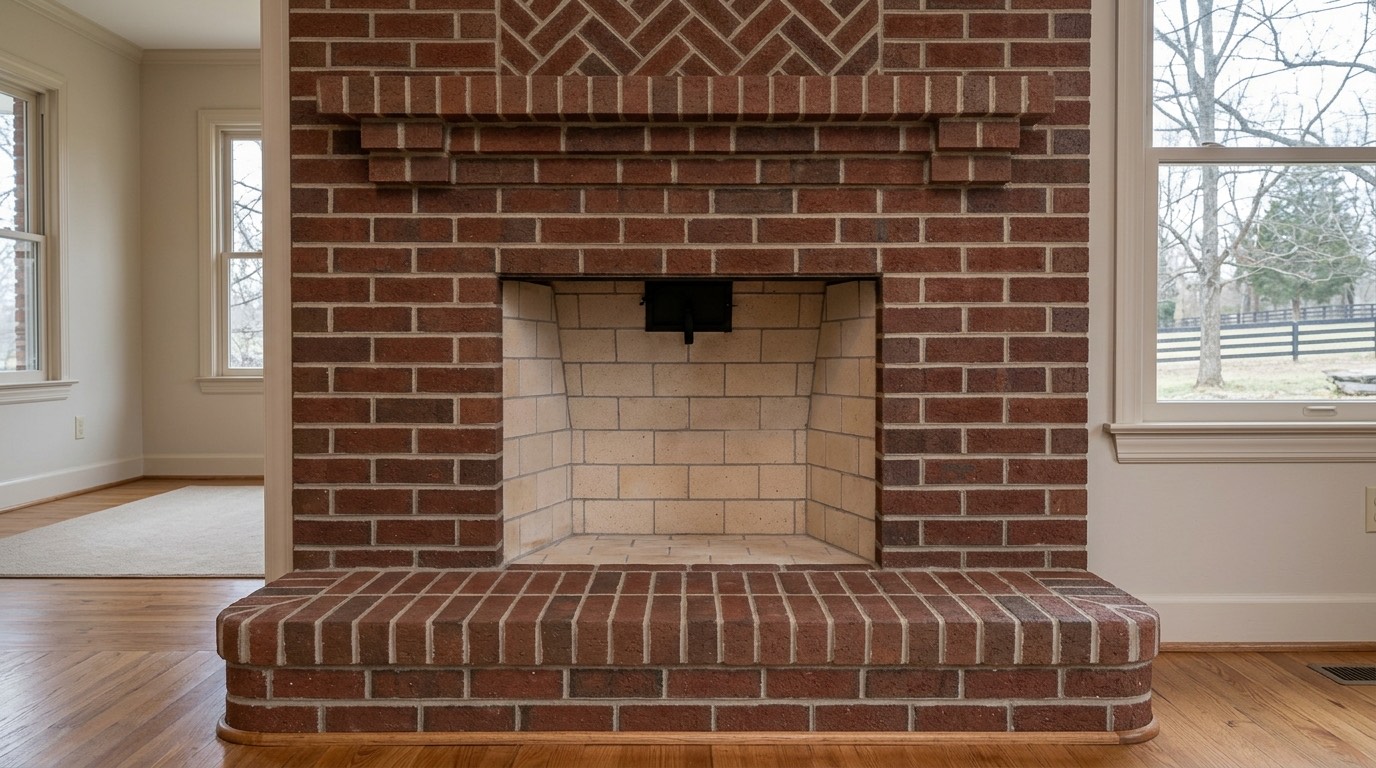
A true masonry fireplace is a stack of parts that each have a job. The footing carries the weight. The firebox holds the fire and radiates heat back into the room. Above it the throat narrows, the damper closes the flue when nothing is burning, and the smoke shelf turns downdrafts back up. The smoke chamber then funnels everything into the flue, and the hearth extension protects the floor in front.
Get one of those wrong and the whole thing works badly. A smoke chamber with rough, stepped brick left unparged will drag on the rising gas. A throat set too wide will not accelerate the smoke. This matters when people ask why a beautiful fireplace smokes, because the answer is almost never the brick you can see. It is nearly always the geometry hidden behind it.
- Footing sized for the mass of the whole structure
- Firebox laid in firebrick with refractory mortar
- Throat and damper sized to the fireplace opening
- Smoke shelf and a smoothly parged smoke chamber
- Flue sized in proportion to the opening area
- Hearth extension in front of the firebox opening
Firebrick, refractory mortar and ordinary brick
The inside of a firebox is not built from the same material as the outside of the house. Firebrick is dense, low in iron and made to take repeated heating and cooling without breaking down. Regular face brick and ordinary Portland mortar in that position will crack, crumble and drop out over a few seasons of real fires. If you can see sandy joints and gaps in your firebox, that is usually what happened.
Refractory mortar is the other half of it. It stays intact at temperatures that would powder standard mortar, and joints in a firebox are laid tight and thin on purpose so there is as little mortar in the heat as possible. When we rebuild a firebox, it comes back in firebrick with refractory joints, because anything else is a repair with a short calendar on it.
- Firebrick rated for direct fire exposure
- Refractory mortar rather than standard masonry mortar
- Thin, tight joints to keep mortar out of the heat
- Correct splay on the sides to throw heat into the room
- A sloped back wall that helps drive smoke into the throat
Repairing a firebox versus rebuilding one
Not every cracked joint means a rebuild. Where the firebrick is intact and only the joints have opened up, we can rake them out and repoint in refractory mortar. That is a contained job and it buys years. It is worth doing before the gaps get wide enough to expose the masonry behind the firebrick.
Where the units themselves are cracked through, spalling off in layers, or where the back wall has bowed, the firebox comes out and goes back new. It is the honest call. We would rather rebuild a firebox once than repoint a failing one twice, and we will always tell you plainly which category yours falls into after we look at it cold and clean.
- Open joints with sound brick, repoint in refractory mortar
- Cracked or spalling firebrick, rebuild the affected walls
- A bowed or bulging back wall, full firebox rebuild
- A rough or unparged smoke chamber, parge and smooth it
- A damper that will not seal or has warped, replace it
When smoke comes into the room
Smoke rolling out of the opening has a handful of usual causes, and they get worked through in order. Flue area too small for the size of the opening is the classic one, and it is common on fireplaces that were widened at some point without touching the flue. A rough smoke chamber, a blocked or partly closed damper, or a flue that does not run high enough above the roof will each do it too.
The house itself can also be the problem. Tight modern construction, a running range hood or a basement returning air can pull the room negative so the flue has nothing to draw. A cold flue on the first fire of the season behaves the same way until it warms. We check the simple things first, because a smoke guard or a corrected damper is a great deal cheaper than opening up masonry.
- Opening too large for the flue area serving it
- Rough, stepped or oversized smoke chamber
- Damper warped, obstructed or not opening fully
- Flue not terminating high enough above the roofline
- Negative pressure in the house from exhaust fans
- Cold flue at start-up, cured by warming it before lighting
Outdoor fireplaces in a freeze-thaw climate
An outdoor fireplace is a chimney with a patio attached, and it gets none of the protection an indoor one enjoys. Rain lands on it, snow melts into it, and every hard freeze between December and February works on whatever water is inside the masonry. Build one like an interior fireplace and it comes apart in a handful of winters.
So the details change. The footing goes below frost depth on undisturbed soil or on rock, and around here shallow limestone can decide where the structure sits. Hearth and cap surfaces get sloped to shed water, not left flat. We use dense units and a mortar suited to exposure, cap the flue, and think about where water leaves the structure at every horizontal surface. A cover over the winter helps a great deal too.
- Footing below frost depth, on undisturbed soil or bedrock
- Dense, exposure-rated units rather than soft interior brick
- Every horizontal surface sloped to drain
- A capped flue so rain does not soak the stack from inside
- Drainage at the base so the structure does not sit in wet soil
- A cover or closure through the coldest months
Facing, hearths and mantels
The visible face is the part you live with, and it is the easiest part to change without touching how the fireplace works. Refacing an existing masonry fireplace in new brick or stone is common and usually straightforward, provided the structure behind is sound and the added thickness has been thought about at the hearth and at the mantel.
Hearths get built raised or flush depending on the room, and the hearth extension in front of the opening has to give proper clearance to combustible flooring. Mantel heights and depths also have clearance considerations. Requirements vary, so if you are altering an opening or adding a wood mantel to an existing fireplace, confirm what applies with the Rutherford County building department before we build it.
- Refacing brick or stone over a sound existing firebox
- Raised hearths, flush hearths and full-height surrounds
- Herringbone, soldier course and stack bond detailing
- Cast stone or brick mantel shelves and corbelled supports
- Matching an interior fireplace to existing house brick
Cost drivers and what to expect on site
A firebox repoint and a full outdoor fireplace live in different worlds, and pricing follows scope more than anything else. Indoors, the cost drivers are access, protection of the room, whether the flue needs work and how much of the structure is coming out. Outdoors, the footing and the site do a lot of the driving, because excavation onto rock or a long carry from the driveway adds days.
On site, expect protection first. Floors, furniture and paths get covered before demolition starts on an interior job. Masonry demolition is dusty and there is no way around that, but containment and a clean-up at the end of each day are on us. Interior work also carries on through winter, while an outdoor build usually waits for weather warm enough for mortar to cure properly.
- Scope, from repoint to firebox rebuild to a new structure
- Access, protection and the amount of demolition involved
- Whether the flue or damper needs work at the same time
- Site and excavation conditions on an outdoor build
- Material selection, from standard brick to cut stone
- Season, since mortar work needs temperatures above about forty degrees
Questions about brick fireplaces in Murfreesboro
Why does my fireplace smoke when I light it?
Start with the simple checks. Make sure the damper is fully open and the flue is not blocked, then warm the flue with a rolled newspaper before lighting, since a cold flue will not draw. If it still smokes, the usual culprits are an opening too large for the flue serving it or a rough smoke chamber. Both are fixable, and both need a look inside before anyone can say which it is.
The mortar joints in my firebox are crumbling. Is that dangerous?
It should not be ignored. The firebox is what separates the fire from the framing behind it, and open joints let heat and gases reach material that was never meant to see them. Small gaps in otherwise sound firebrick can be repointed with refractory mortar. Deep gaps or cracked units mean the firebox needs rebuilding, and we would not keep burning in it until that is done.
Can you reface a fireplace without rebuilding it?
Usually yes. If the firebox and the flue are in good shape, the face is largely cosmetic and can be changed on its own. What we check first is that the existing hearth can carry the new weight, that the added thickness does not reduce clearances at the opening, and that the mantel still sits correctly. Refacing over a failing firebox is the one version we will not do.
Can I put a gas insert into a masonry fireplace?
Often, though the appliance side belongs to a qualified gas installer rather than to us. Our part is making sure the masonry is sound and, where a rebuild is happening, that the opening and the flue suit what you plan to install. Venting and clearance requirements apply to inserts, so confirm those with the installer and with the Rutherford County building department before the fireplace is rebuilt around one.
Can an outdoor fireplace be used through the winter?
Yes, and that is usually the point of having one. What matters is that it was built for the exposure, with a footing below frost depth, dense materials, sloped surfaces and a capped flue. Burning in cold weather is not the problem. Water sitting in the masonry through a freeze is. Covering it during long wet spells and keeping the cap in place goes a long way.
Other services
All services →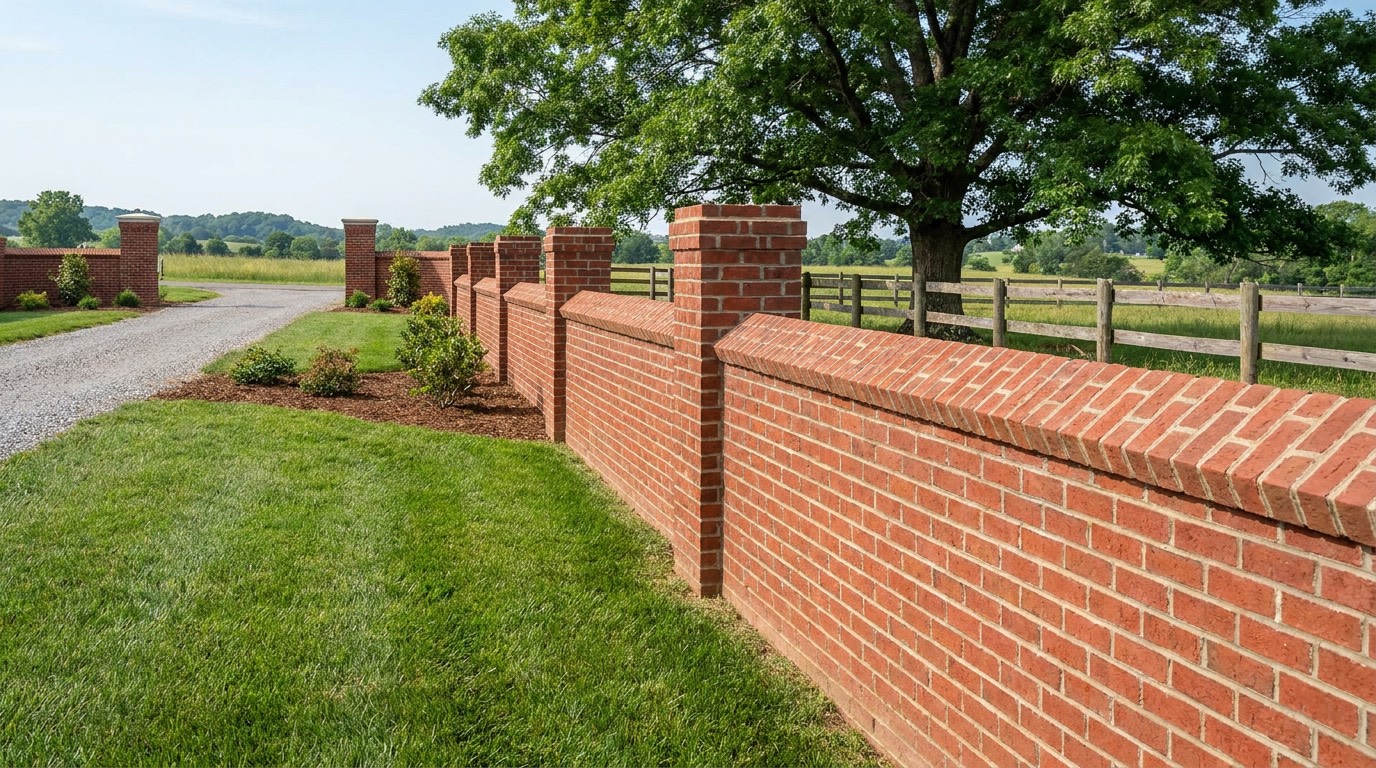
Brick Masonry
New brickwork, walls, columns and steps
Learn more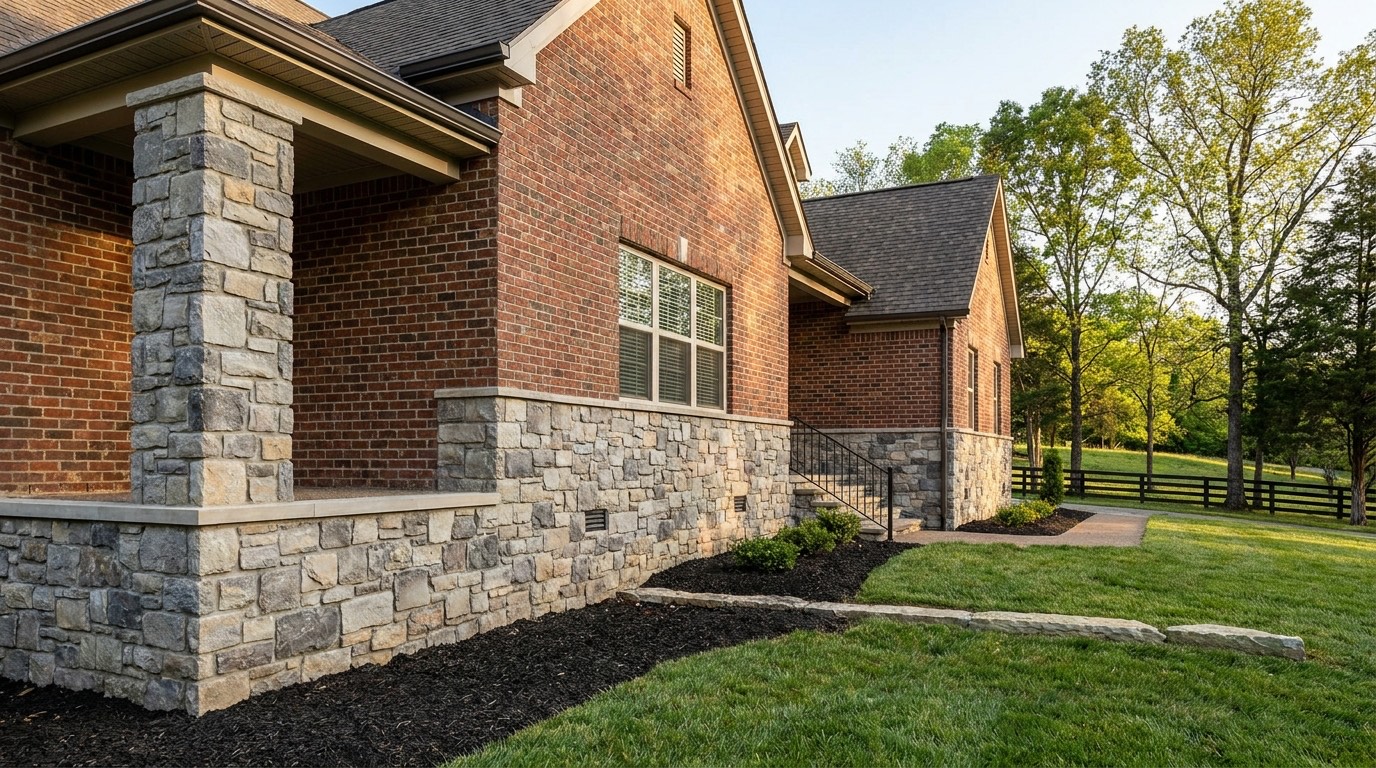
Stone Masonry
Natural and manufactured stone installation
Learn more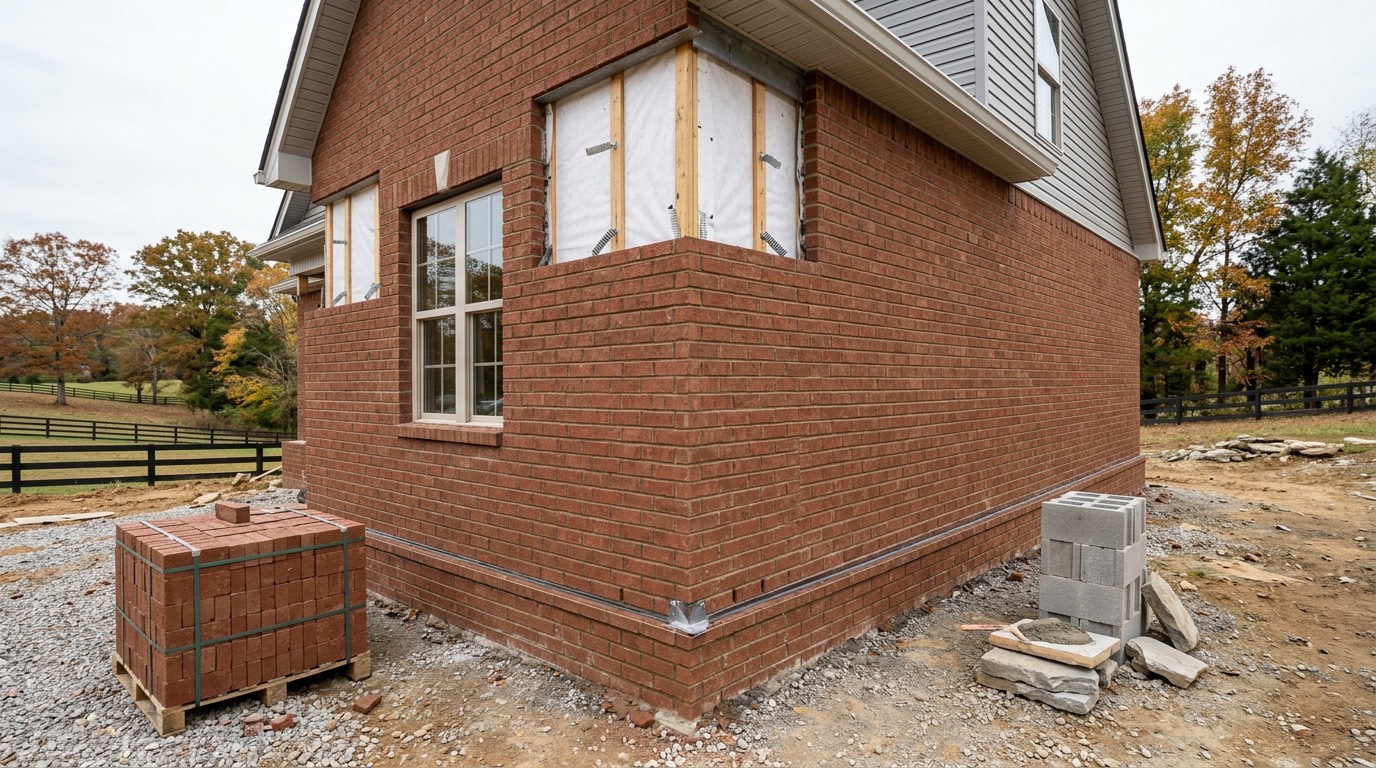
Brick Veneer Installation
Veneer over frame or block walls
Learn more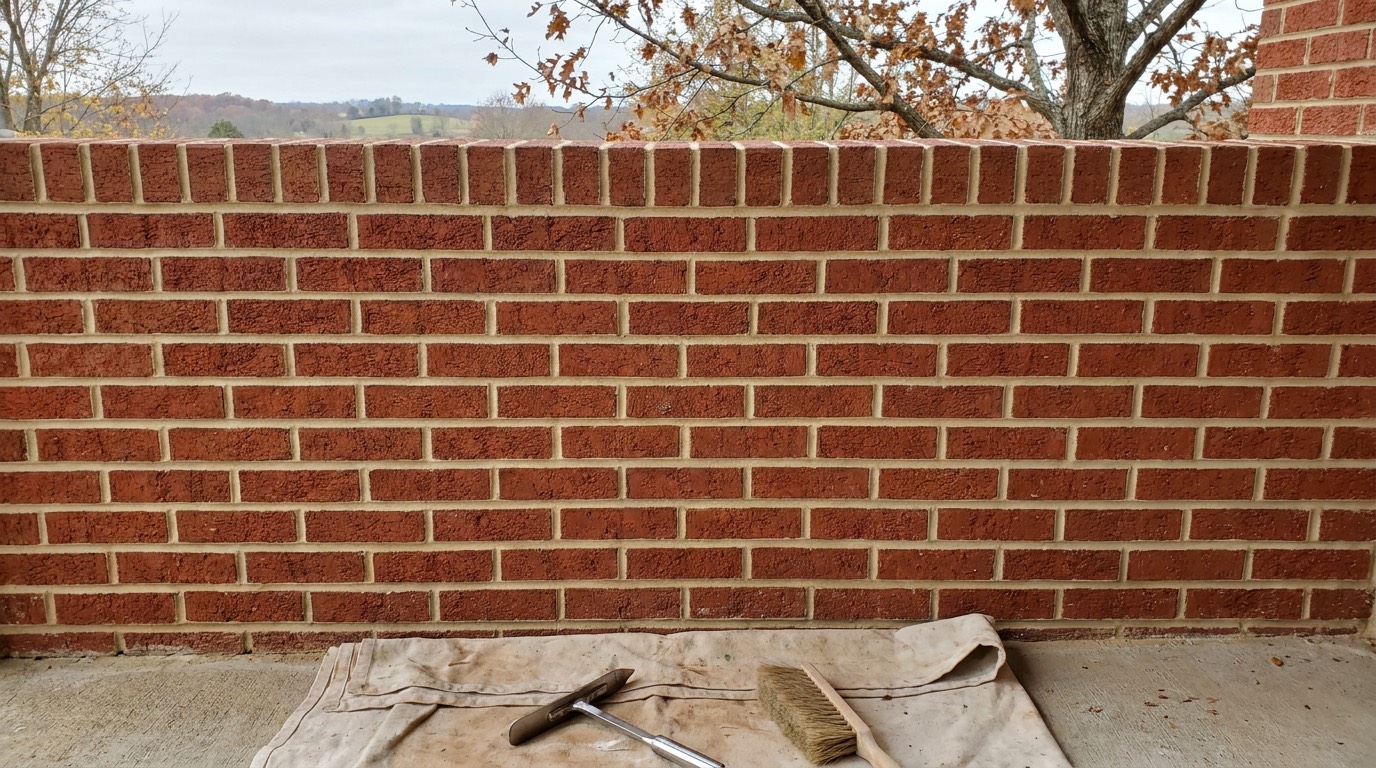
Tuckpointing and Repointing
Replacing failed mortar joints
Learn more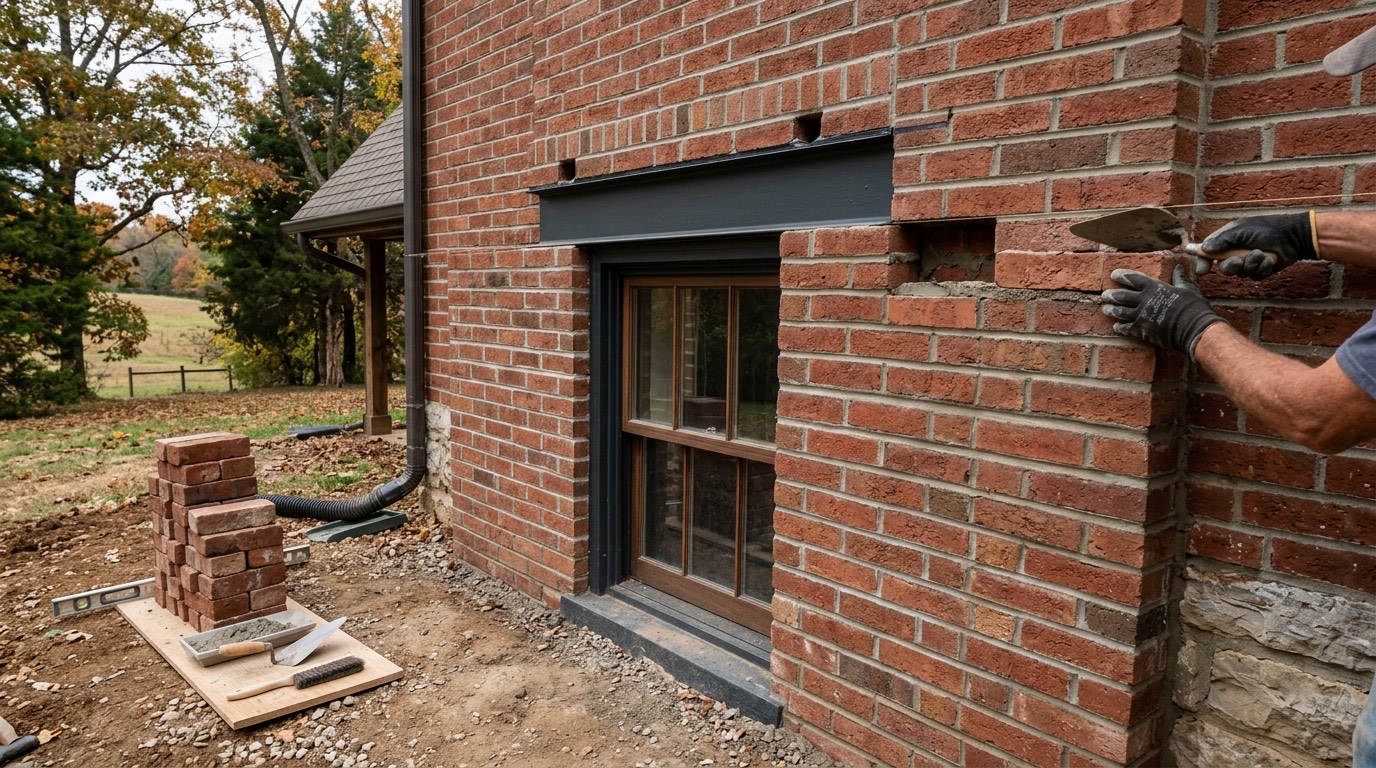
Masonry Repair and Restoration
Cracks, settlement and rebuilds
Learn more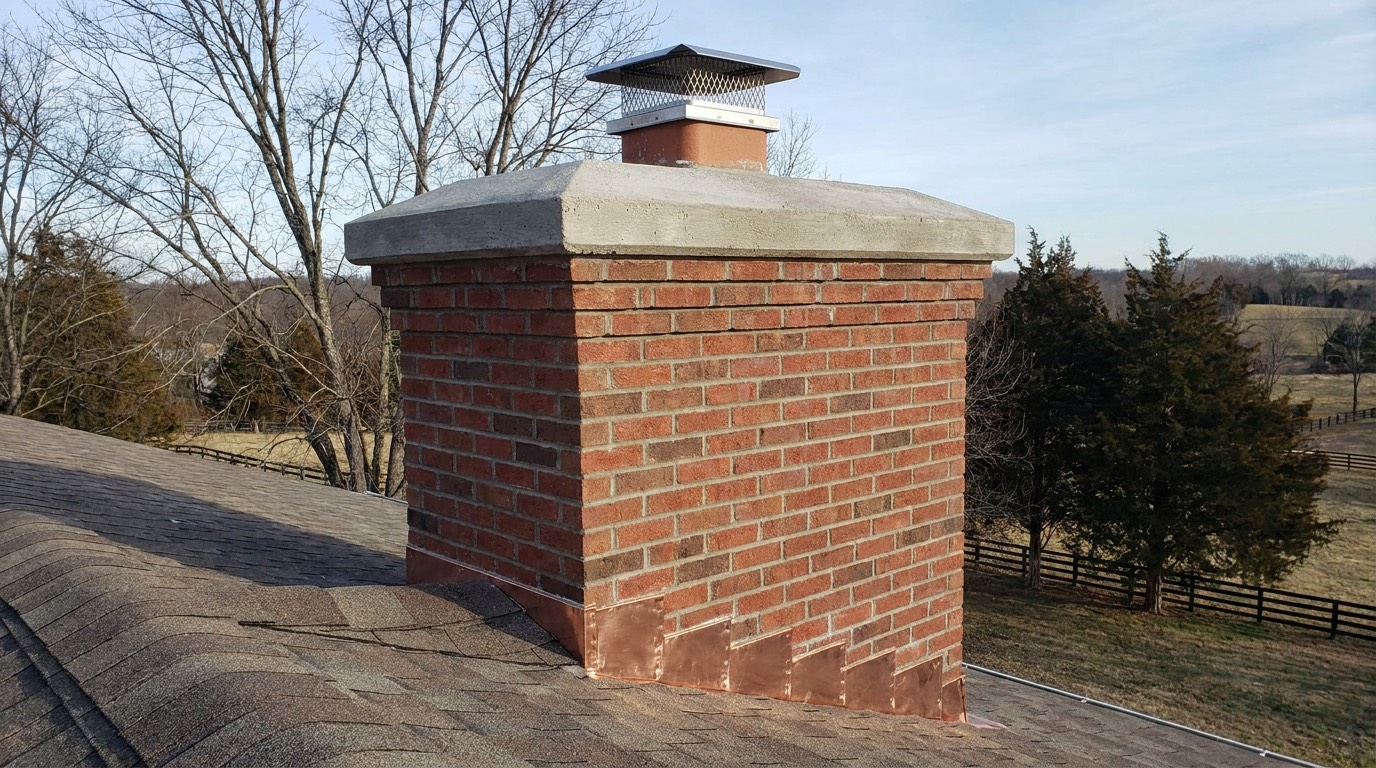
Chimney Masonry Repair
Crowns, flashing, rebuilds and relining
Learn more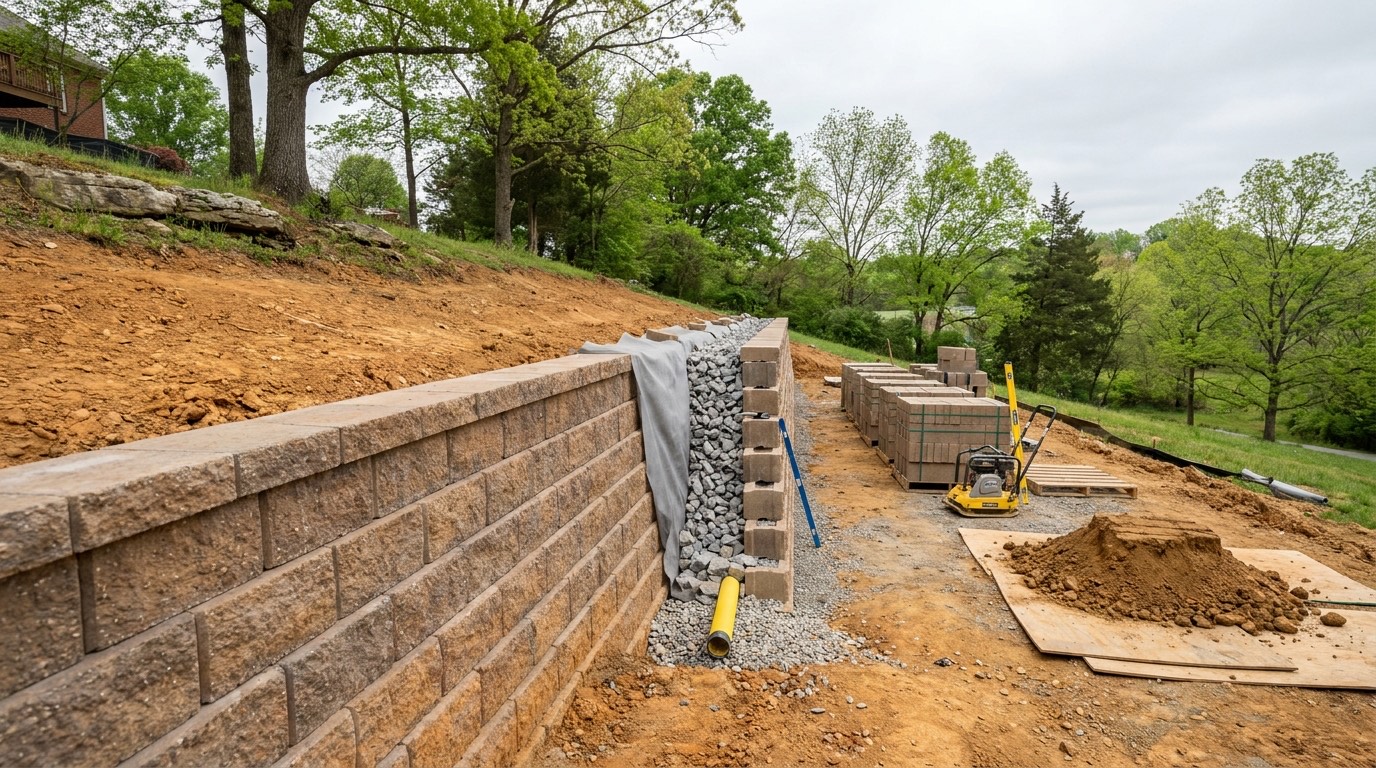
Retaining Walls
Block, brick and stone retaining walls
Learn more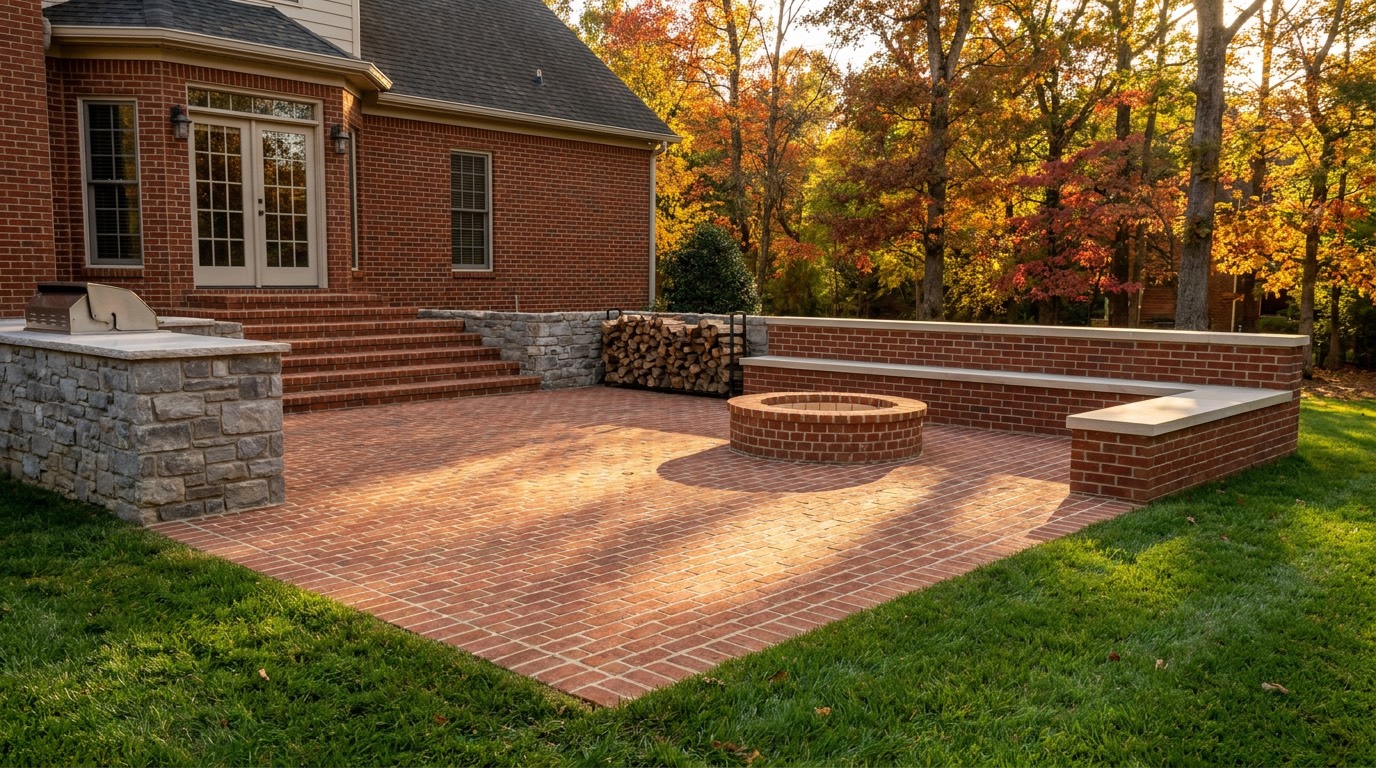
Outdoor Living Masonry
Patios, kitchens, fire pits and seat walls
Learn more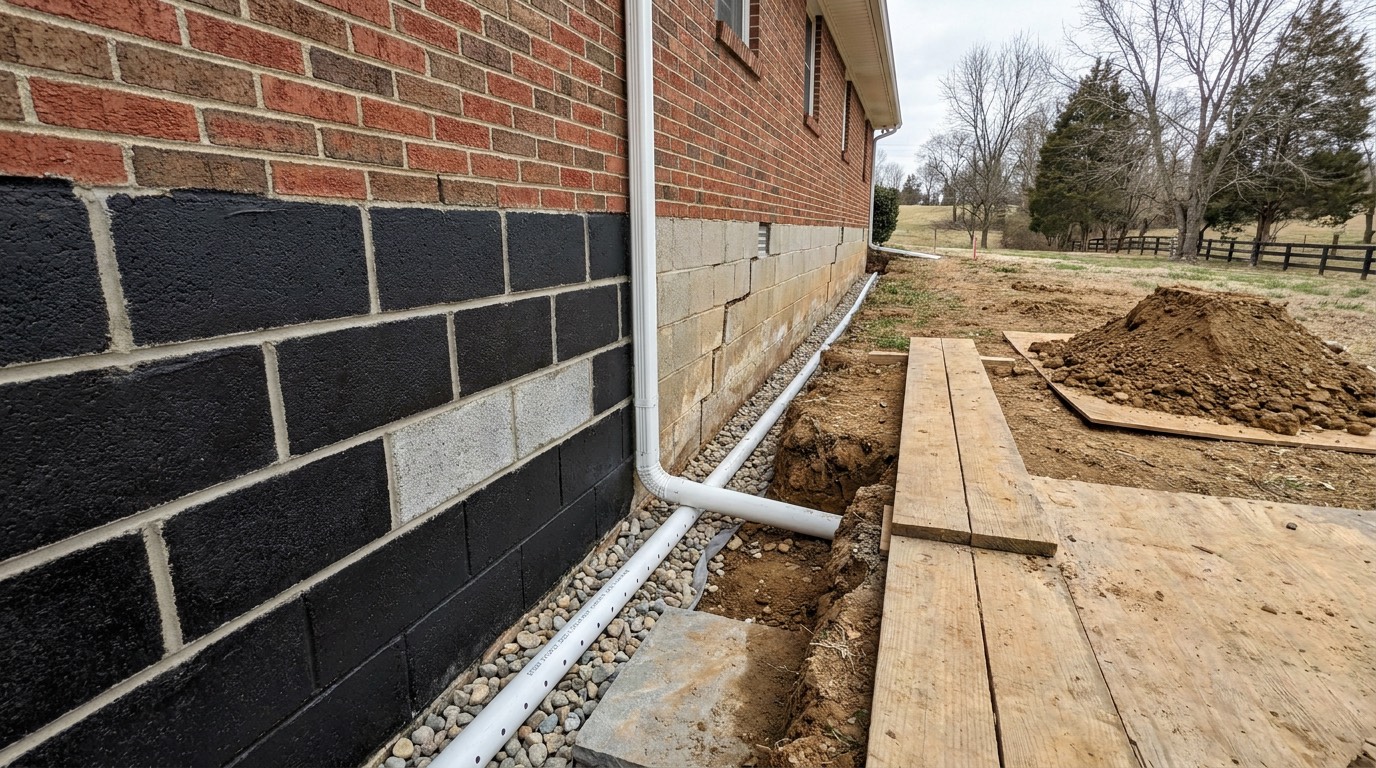
Foundation and Basement Masonry
Foundation repair and basement walls
Learn more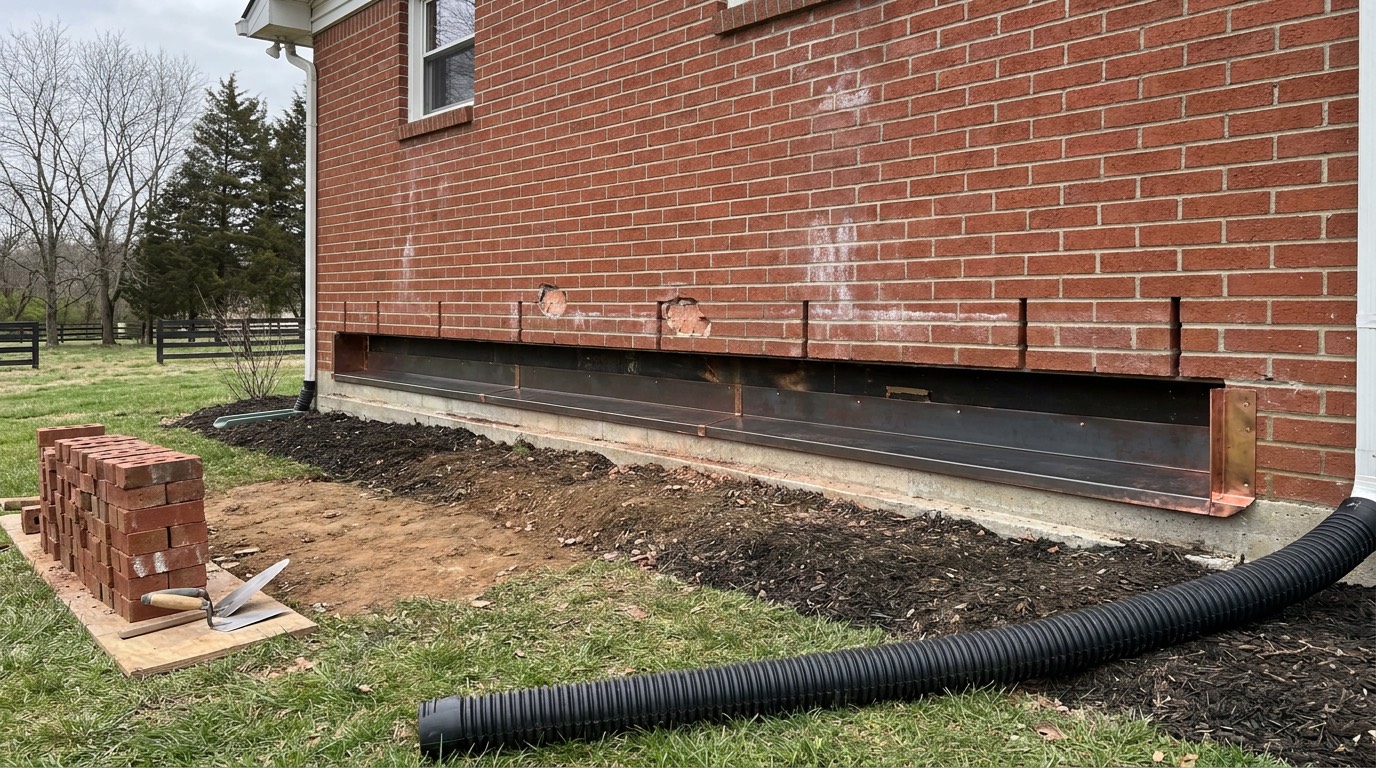
Masonry Waterproofing and Sealing
Sealers, flashing and drainage details
Learn more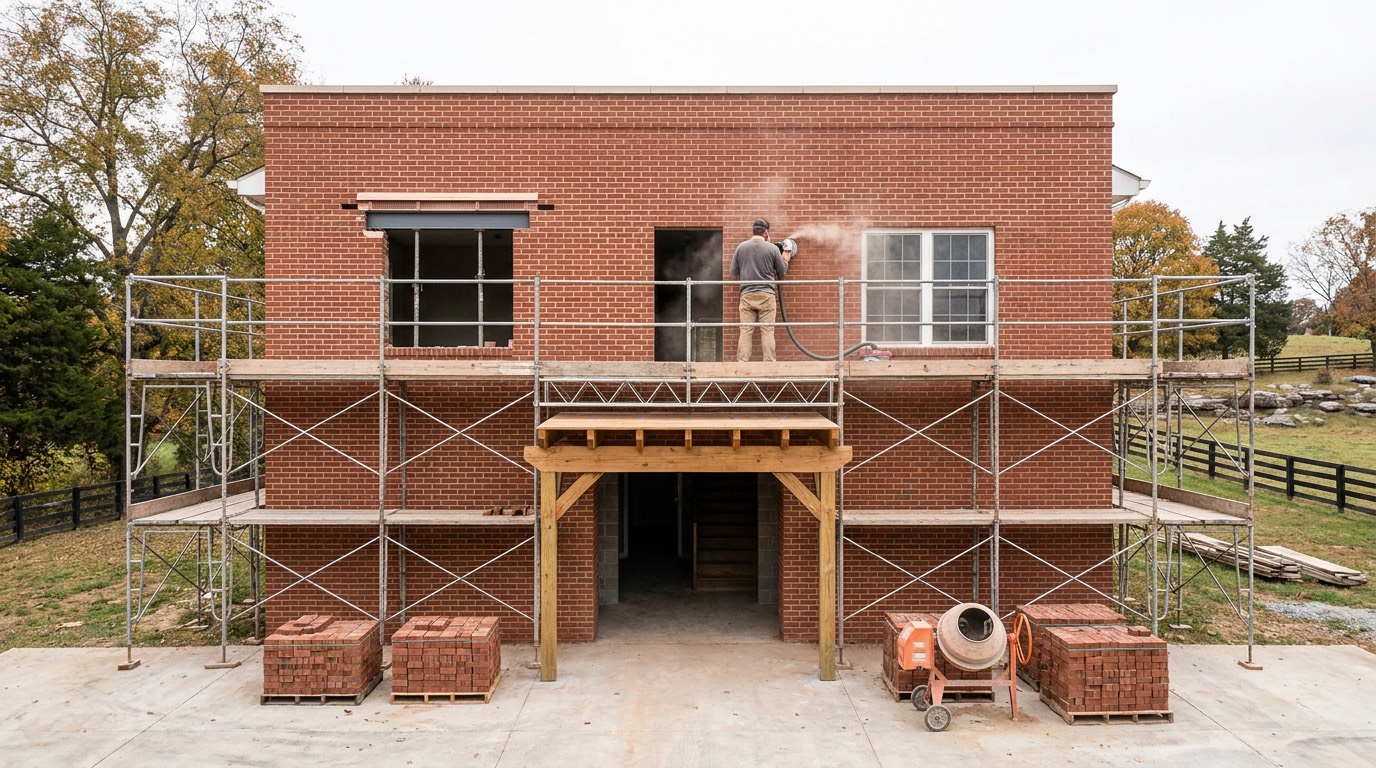
Commercial Masonry
Retail, multi-family and light commercial
Learn moreStraight answer on your wall.
Call, or send the form and we will get you a written price.