Stone Masonry in Murfreesboro, TN
Stone is the one material where the part you never see decides whether the part you paid for lasts. We set natural and manufactured stone on homes across Murfreesboro, Smyrna, Christiana and the rest of Rutherford County, and most of our attention goes to the wall behind it.
Request a quote
Four questions, about a minute. We'll call you back.
Natural stone and manufactured stone are different products
Natural stone is quarried rock. It is heavy, every piece is different, and it will still look like stone in fifty years because it is stone. Manufactured stone is concrete cast in rubber molds and colored through the mix. It is lighter, cheaper to buy, faster to set, and the good product looks convincing. The weak product gives itself away because the same three faces keep repeating down the wall.
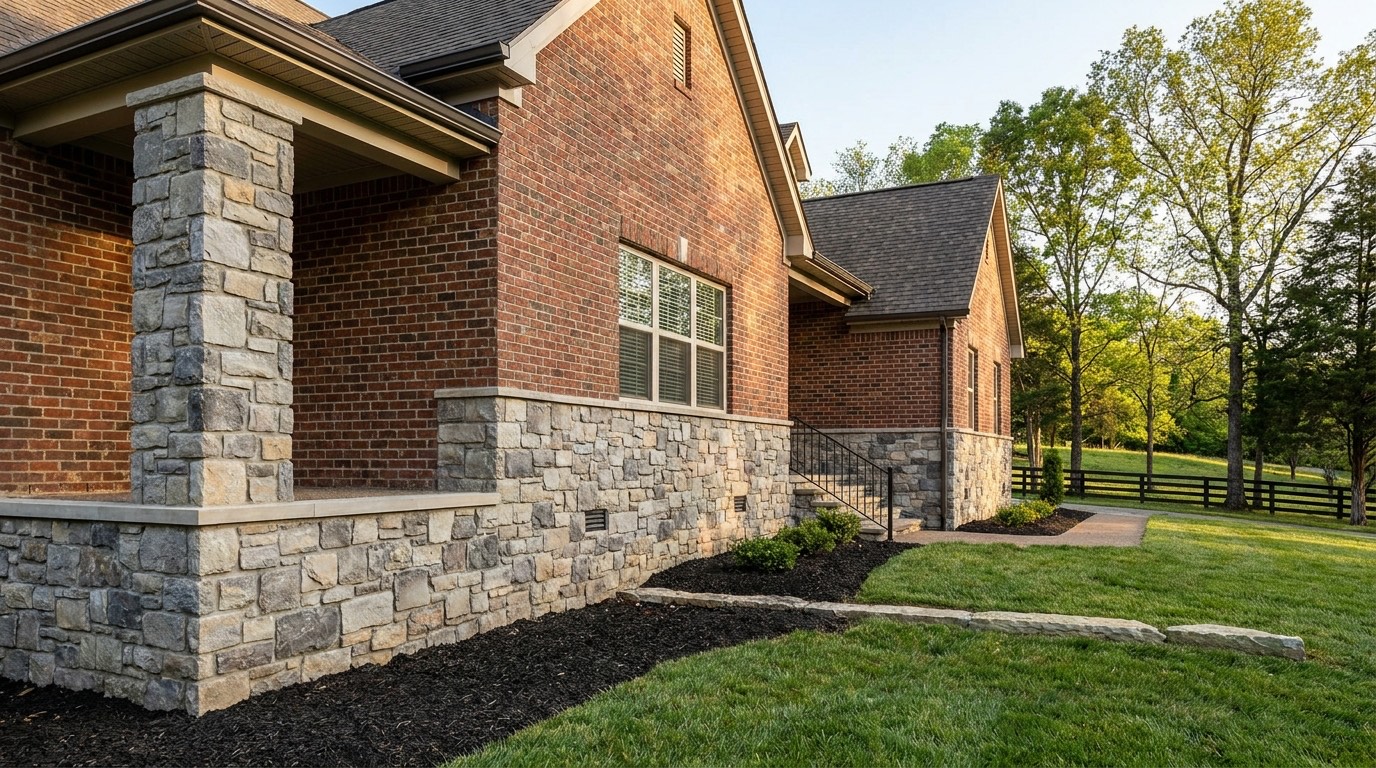
Neither one is the right answer for every job. Manufactured stone gets you a lot of coverage for the money and it is the practical choice on a big elevation. Natural stone earns its money on the parts people stand next to, so front columns, a chimney face, a fireplace surround or a water table course. Plenty of houses here end up with both.
- Natural stone, sold by weight, with real color and depth variation
- Manufactured stone, sold by the box, lighter and more uniform
- Thin cut natural stone, real stone sawn down to veneer thickness
- Full depth building stone for freestanding walls and piers
- Cut stone caps, sills, treads and hearths
What grows on the ground around here
Middle Tennessee is limestone country. Gray and buff limestone fieldstone, weathered ledge rock and sawn limestone ashlar all read as native here, because they are. Sandstone off the Cumberland Plateau, the tan and brown Crab Orchard family, shows up constantly on hearths, treads and caps because it splits flat and wears well.
There is a practical reason to lean local beyond appearance. Regional stone has already been through a few hundred winters of the exact freeze and thaw cycle your house sees. A soft, absorbent stone shipped in from a mild climate can look magnificent in the yard and start flaking on a north facing wall after two Januaries. We will tell you which materials we have watched hold up here.
- Limestone fieldstone and weathered ledge, laid in a mosaic pattern
- Sawn limestone ashlar for a squared, coursed look
- Cumberland Plateau sandstone for hearths, treads and caps
- Stacked ledgestone in thin, linear courses
- River rock and rounded fieldstone, mostly for lower walls and piers
Full bed stone or adhered veneer
This is the first real decision and it happens before anyone picks a color. Full bed stone is thick, heavy, and it sits on something. It needs a ledge on the foundation or a footing of its own, exactly like brick veneer does, and it is anchored back to the structure with ties. On an existing house that usually means adding support, which is why it costs what it costs.
Adhered veneer is thin stone that hangs on a mortar bond over a prepared backing. There is no ledge and no shelf carrying it. It relies entirely on the scratch coat, the lath and the bond, which is why a good installer treats those three things as the whole job. Adhered veneer has a weight limit, so confirm what your wall can take with the Rutherford County building department before anyone orders material.
- Full bed stone bearing on a ledge or its own footing, tied back to the wall
- Adhered veneer bonded to lath and a scratch coat over a drainage layer
- Thin natural stone where the look of real rock has to sit on a light wall
- A structural review before adding full bed stone to an existing house
- Foundation and grade checked before either option is quoted
What sits behind the stone is where jobs fail
Water gets through stone veneer. It gets through the joints, it gets through the mortar and it gets through the stone itself. That is normal and it is designed for. The system works because the water that gets in runs down a drainage plane, reaches a flashing, and comes back out. Stone applied straight onto sheathing with no drainage plane traps that water against the framing, and in this climate it will freeze there.
So the order of operations matters more than the stone. Weather resistive barrier over the sheathing, commonly two layers behind adhered work. Then a drainage mat where the assembly calls for it. Then lath, fastened into the studs rather than only into sheathing. Then a scratch coat, combed and cured. Only then does stone go on the wall. Anyone who wants to skip a step in that sequence is saving a day at your expense.
- Weather resistive barrier lapped shingle fashion, top layer over bottom
- A drainage cavity or mat so water has a route down and out
- Corrosion resistant lath fastened to structure, not just to sheathing
- Flashing and weeps at the base and above every opening
- Kick out flashing where a roof edge meets a stone wall
- Clearance held above grade and above paving, with the dimension confirmed to code
Setting the stone and the choices that change the look
Two masons can set the same pallet of stone and produce walls that look nothing alike. Pattern is part of it. Coursed ashlar reads formal and architectural. Random mosaic fieldstone reads rustic and old. Stacked ledgestone reads modern and horizontal. Joint treatment does even more work than pattern. A raked joint throws shadow and makes each stone stand out. An overgrouted joint pushes mortar out onto the faces and gives you an old farmhouse look.
Blending is the part most people never hear about. Stone arrives in crates and pallets that vary, so we pull from several at once and dry lay a section on the ground before any of it is bedded. That is where we sort out the big pieces, the corners and the shape balance. A dry layout is what stops a wall ending up with all the dark stone in one corner.
- Coursed ashlar, random mosaic, stacked ledgestone or dry stack appearance
- Joint style, whether raked, flush, weathered or overgrouted
- Mortar color chosen and sampled, because it changes the wall more than the stone
- Corners and returns planned so no cut edge shows
- Stone pulled and blended from multiple crates at once
- A dry laid mock up section approved before anything is set
Freeze, thaw and the truth about sealers
The reason stonework fails here is water sitting in the wall in February. Water expands as it freezes, and it does that inside pores, joints and any gap behind a stone. Repeat that cycle a few dozen times a winter and mortar joints crumble and stone faces flake off. Every detail we care about, the drainage plane, the flashing, the joint packing and the cap, exists to keep the wall from being saturated when the temperature drops.
Sealers get oversold as the fix. The wrong sealer makes things worse. A film forming product locks moisture inside the wall, and trapped moisture is exactly what causes the spalling you were trying to prevent. A breathable penetrating sealer can help on a horizontal surface that takes a beating, like a cap or a hearth. On a properly built vertical wall it is optional, and anyone selling it as essential is selling.
- Fully packed joints with no voids behind the stone
- Caps and sills that overhang and shed water clear of the face
- Grade sloped away so the base of the wall is not standing in runoff
- Downspouts and irrigation kept off the stone
- Breathable penetrating sealers only, and only where they earn their place
What a stone quote is actually pricing
Material is the obvious line and it is not the one that moves most. Labor is. Stone is set piece by piece, and a mosaic fieldstone wall where every rock has to be chosen, turned and shaped takes far longer than the same square footage of uniform ledgestone out of a box. The pattern you like has a labor cost attached, and we tell you what it is up front.
Then there is the wall behind it. Sound sheathing is one price. Sheathing with soft spots, missing flashing or old stone coming off costs more, because that work has to be corrected first. We look behind the surface before we quote, and we would rather show you a range with the reasons attached than a low number that grows once the job opens up. A site visit is the only way to a real number.
- Stone type, pattern and how much shaping each piece needs
- Corner pieces, which cost more and are easy to underestimate
- Height, access and whether scaffold is required
- Condition of the wall behind, including sheathing and existing flashing
- Openings, sills, arches and returns, each of which is hand work
- Caps, hearths and any cut stone accents
Questions about stone masonry in Murfreesboro
Is manufactured stone going to look fake?
Good product installed well does not. Bad product installed carelessly always does. The two things that give it away are repeated faces and lazy corners. We buy from lines with enough distinct molds to avoid an obvious repeat, we blend from several boxes at once, and we use proper corner pieces so no cut edge shows. Look at a real wall in daylight before you decide, not at a sample board.
Can I put stone on the brick I already have?
Usually yes, and it is a common request on ranch houses around Murfreesboro. Clean, sound brick makes a good substrate for adhered veneer. The details that need attention are the added thickness at windows, doors and the roof edge, and whether the added weight is acceptable. Painted or sealed brick is a different conversation, because the bond has to key into something. We check that on site.
Does a stone wall need a footing?
Full depth stone does, always. It is heavy and it has to bear on something that will not move, which in this county means a footing carried below frost depth and below the clay that swells and shrinks. Adhered veneer is a cladding and carries no load, so it does not need a footing, but it does need a properly detailed base with clearance above grade.
Why is my stone showing a white powdery haze?
That is efflorescence, and it is salt carried out of the mortar or the masonry by water moving through it. A light bloom on new work is common and usually weathers off within a year or so. A bloom that keeps coming back is telling you water is still moving through the wall, and that is a drainage or flashing question rather than a cleaning question. Fix the water first.
Should I seal new stonework?
On vertical walls, usually not. A correctly built stone wall is meant to dry out, and a film forming sealer stops it doing that. On horizontal surfaces that take standing water and deicing salt, like caps, steps and hearths, a breathable penetrating sealer is worth it and needs redoing every few years. We will tell you which surfaces on your job actually benefit.
Other services
All services →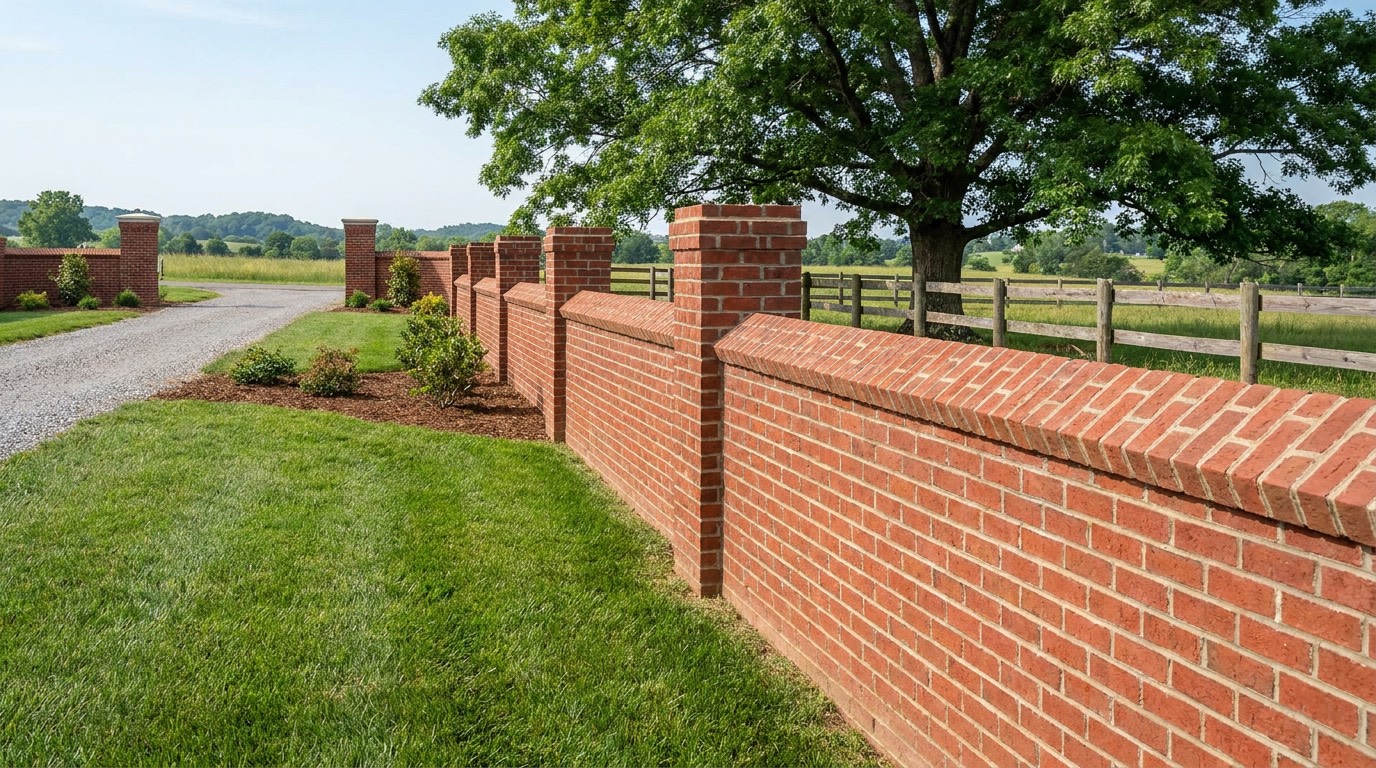
Brick Masonry
New brickwork, walls, columns and steps
Learn more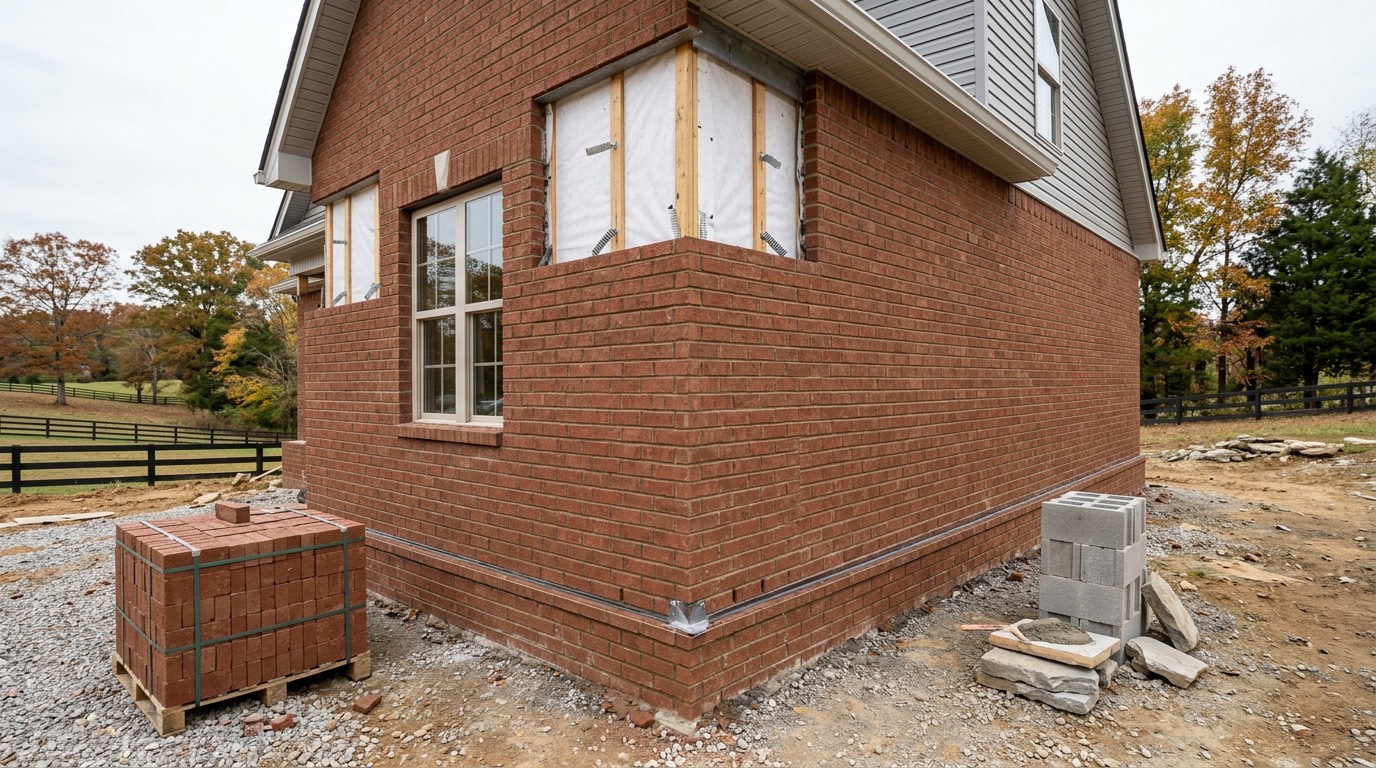
Brick Veneer Installation
Veneer over frame or block walls
Learn more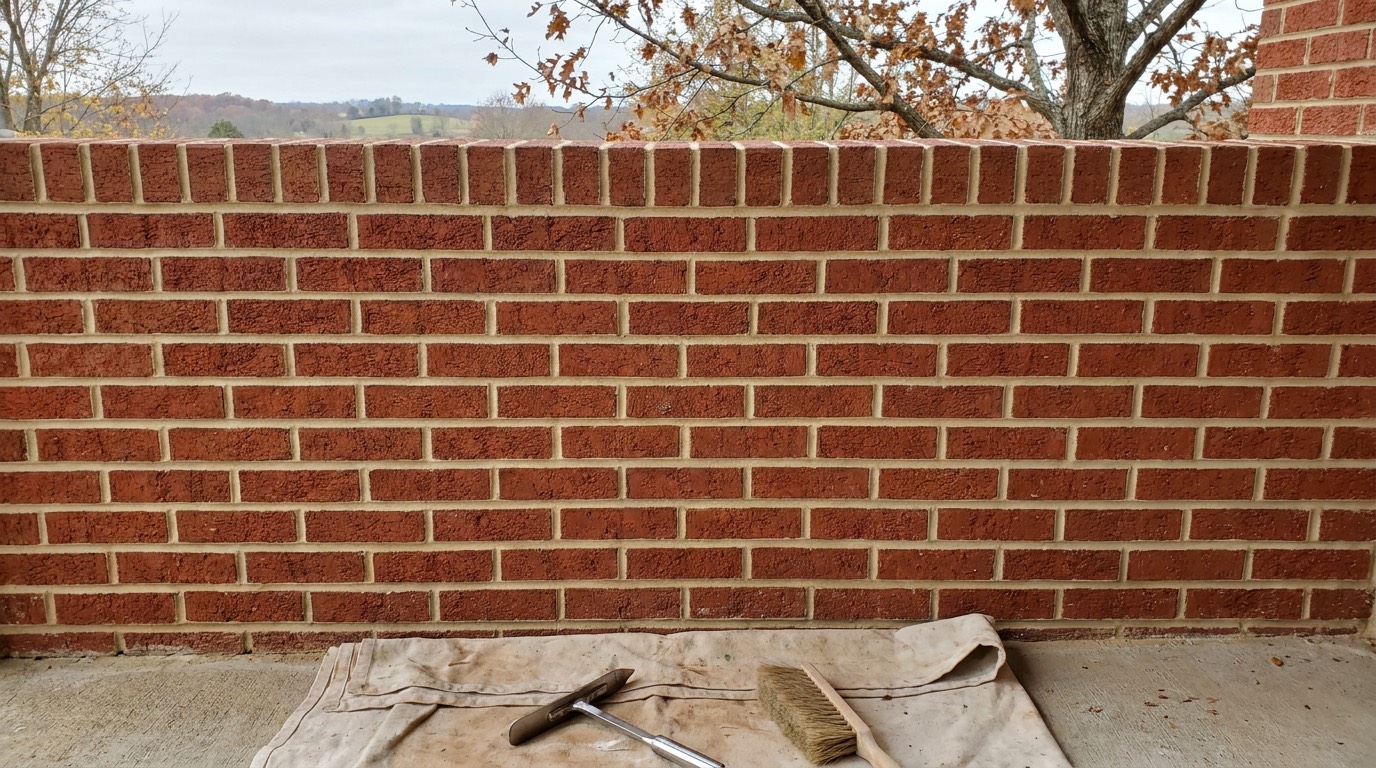
Tuckpointing and Repointing
Replacing failed mortar joints
Learn more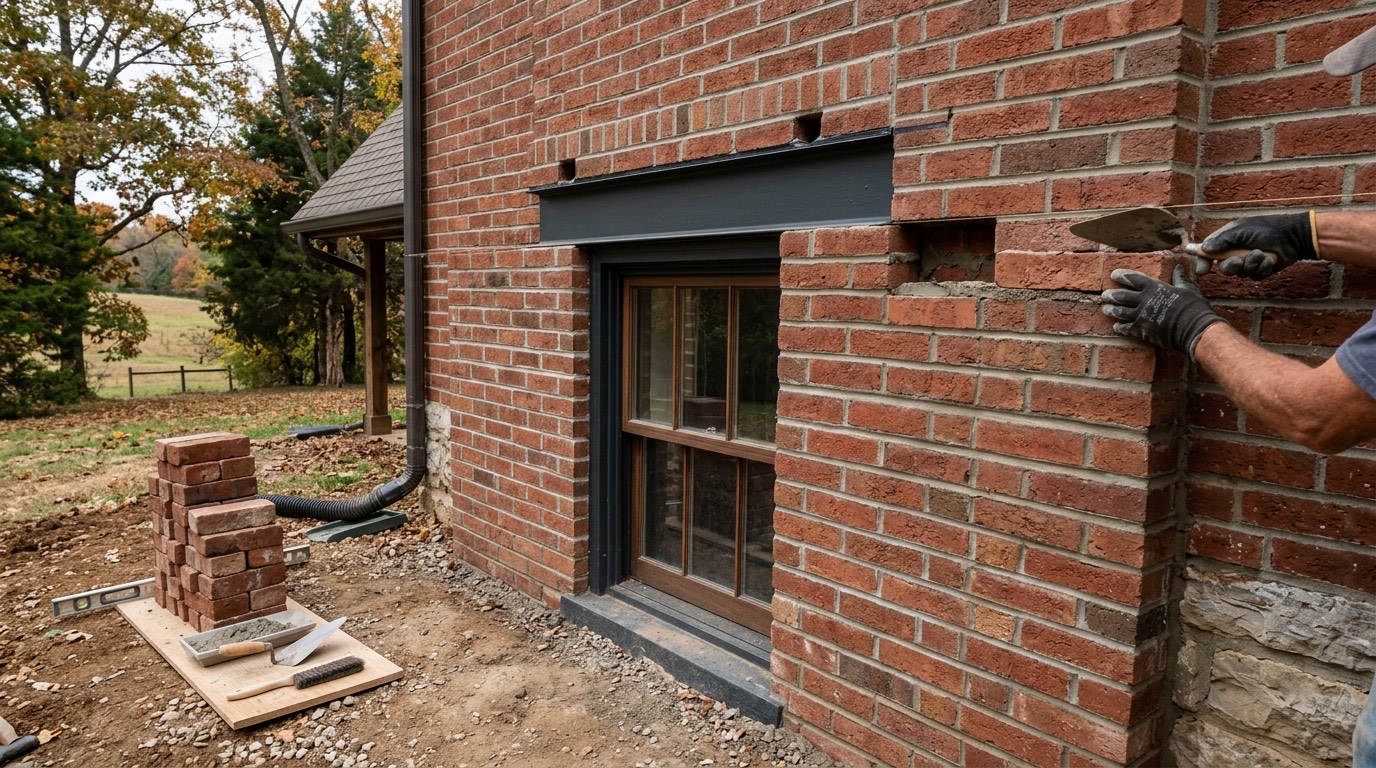
Masonry Repair and Restoration
Cracks, settlement and rebuilds
Learn more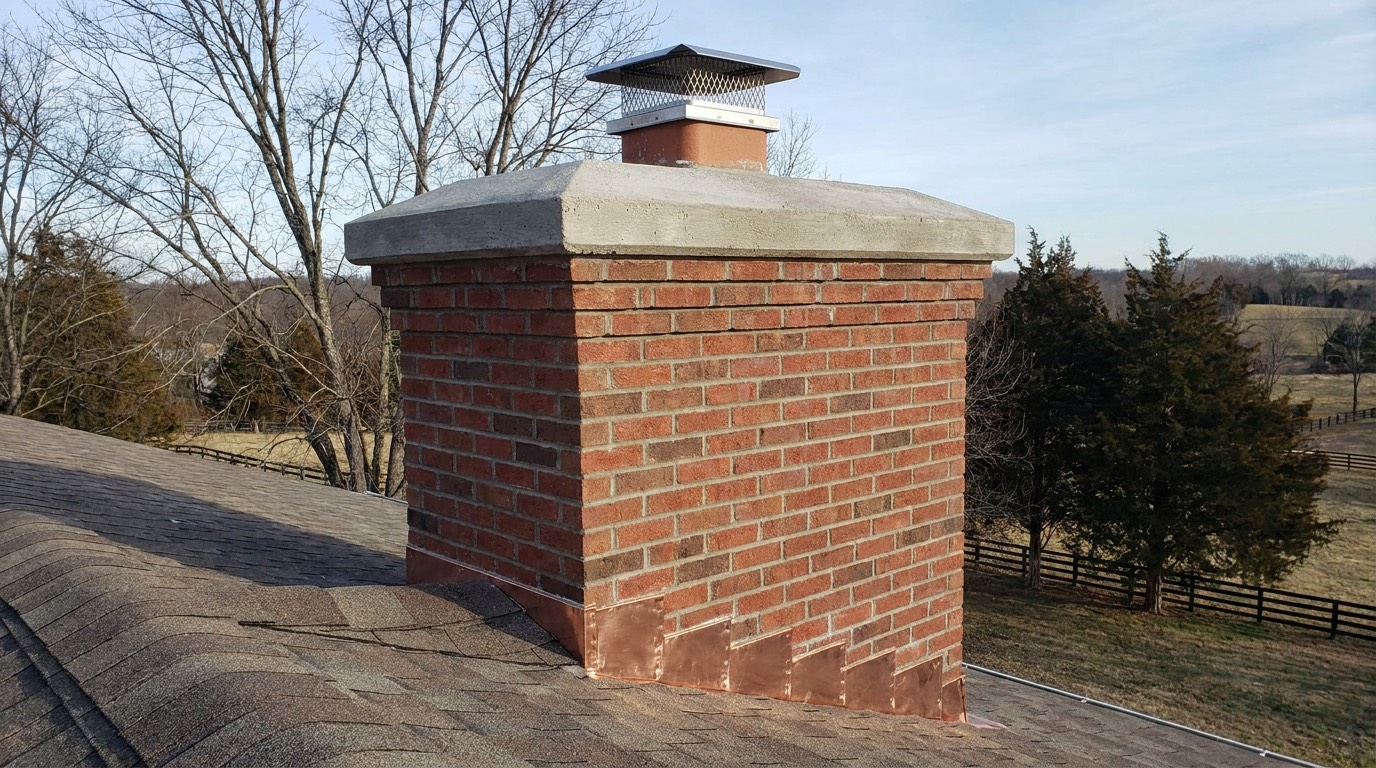
Chimney Masonry Repair
Crowns, flashing, rebuilds and relining
Learn more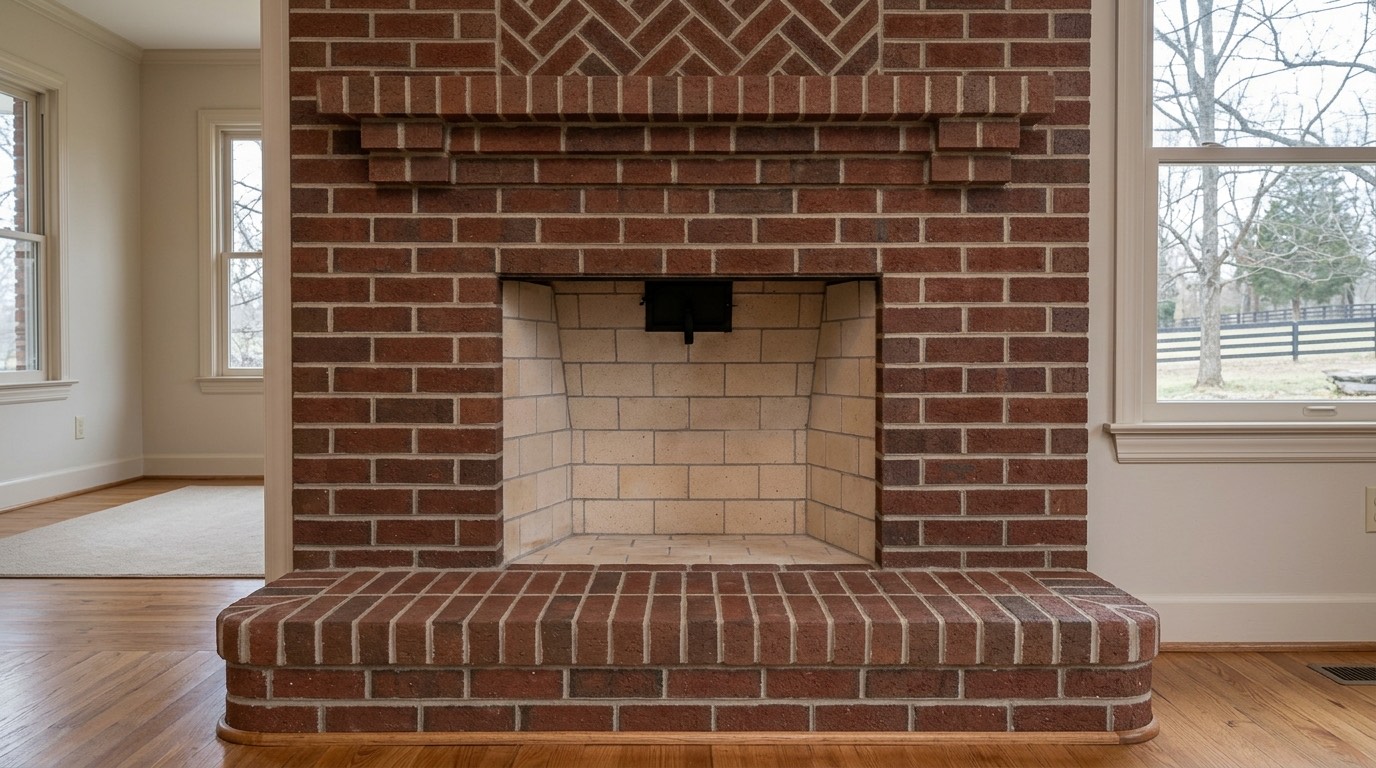
Brick Fireplaces
Indoor and outdoor fireplace masonry
Learn more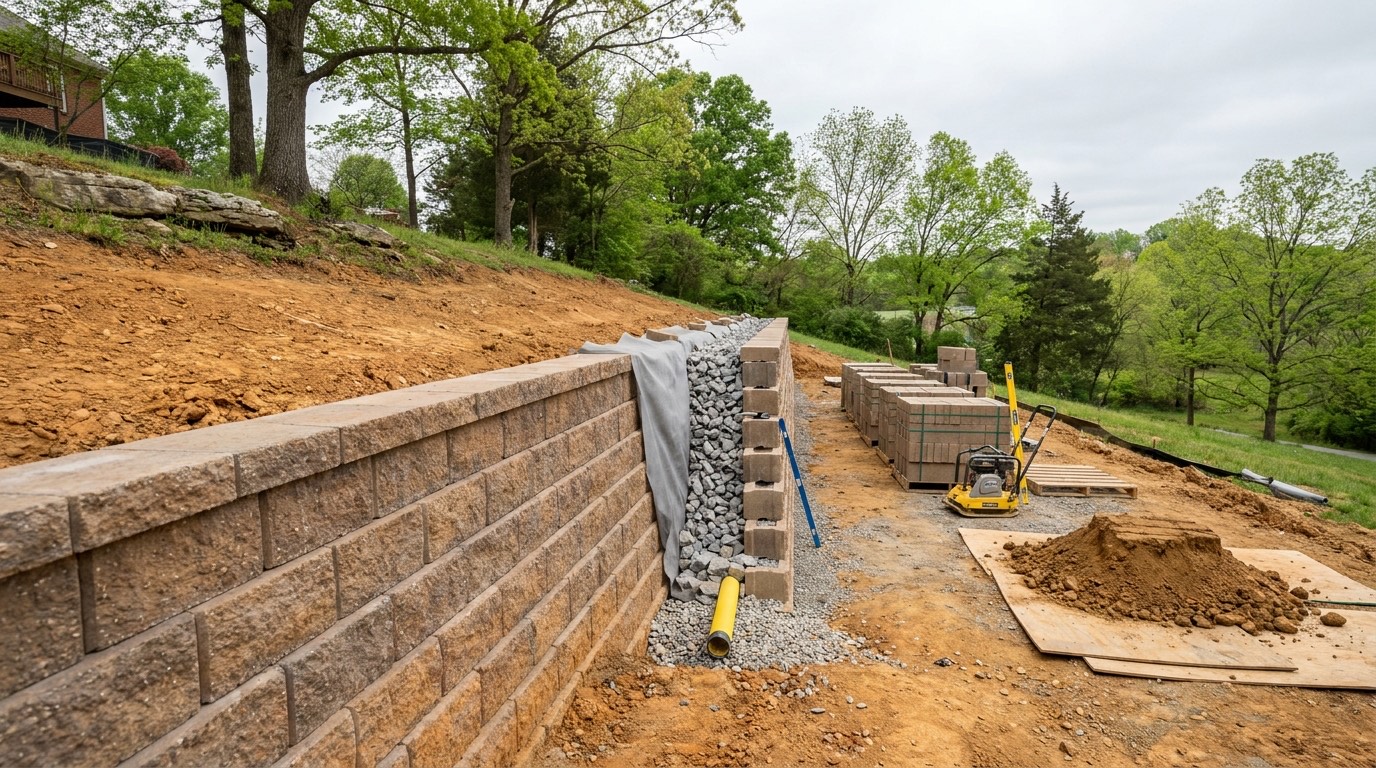
Retaining Walls
Block, brick and stone retaining walls
Learn more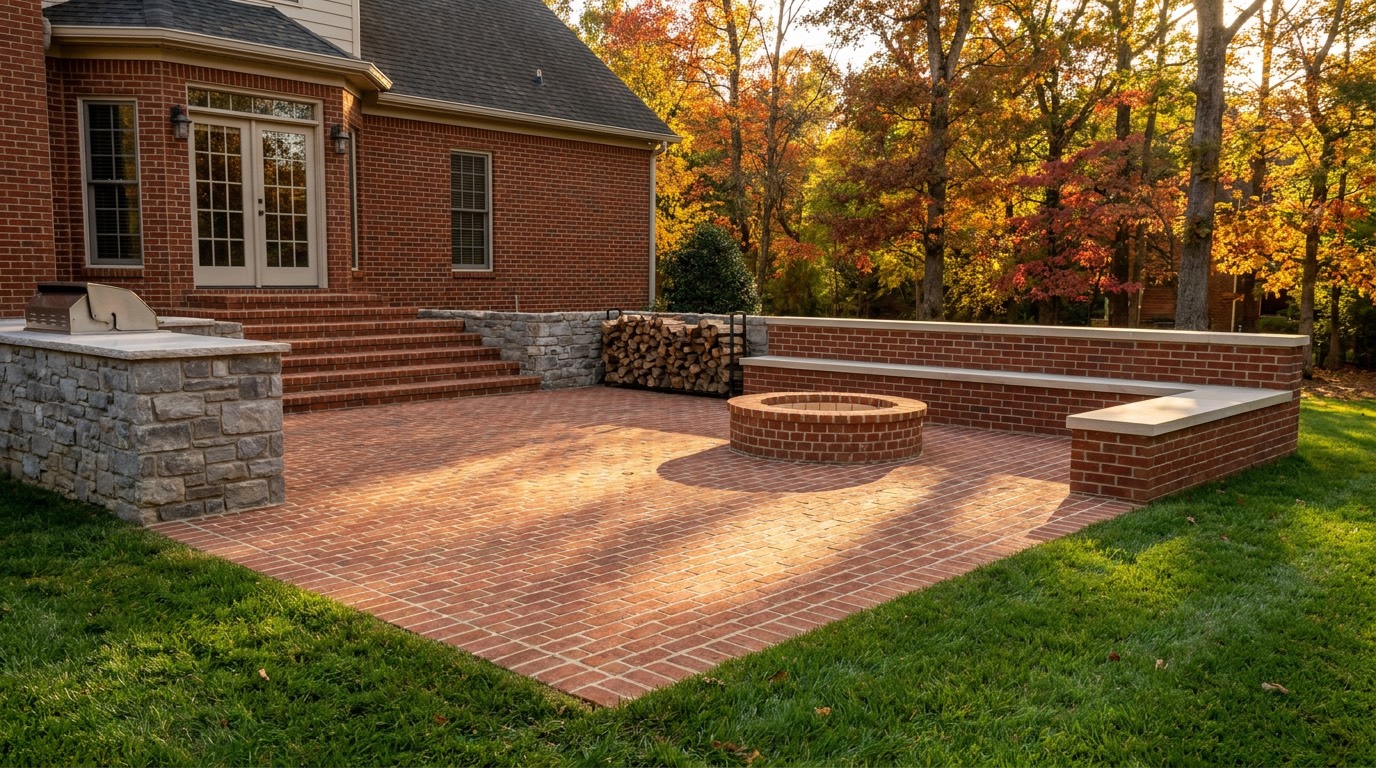
Outdoor Living Masonry
Patios, kitchens, fire pits and seat walls
Learn more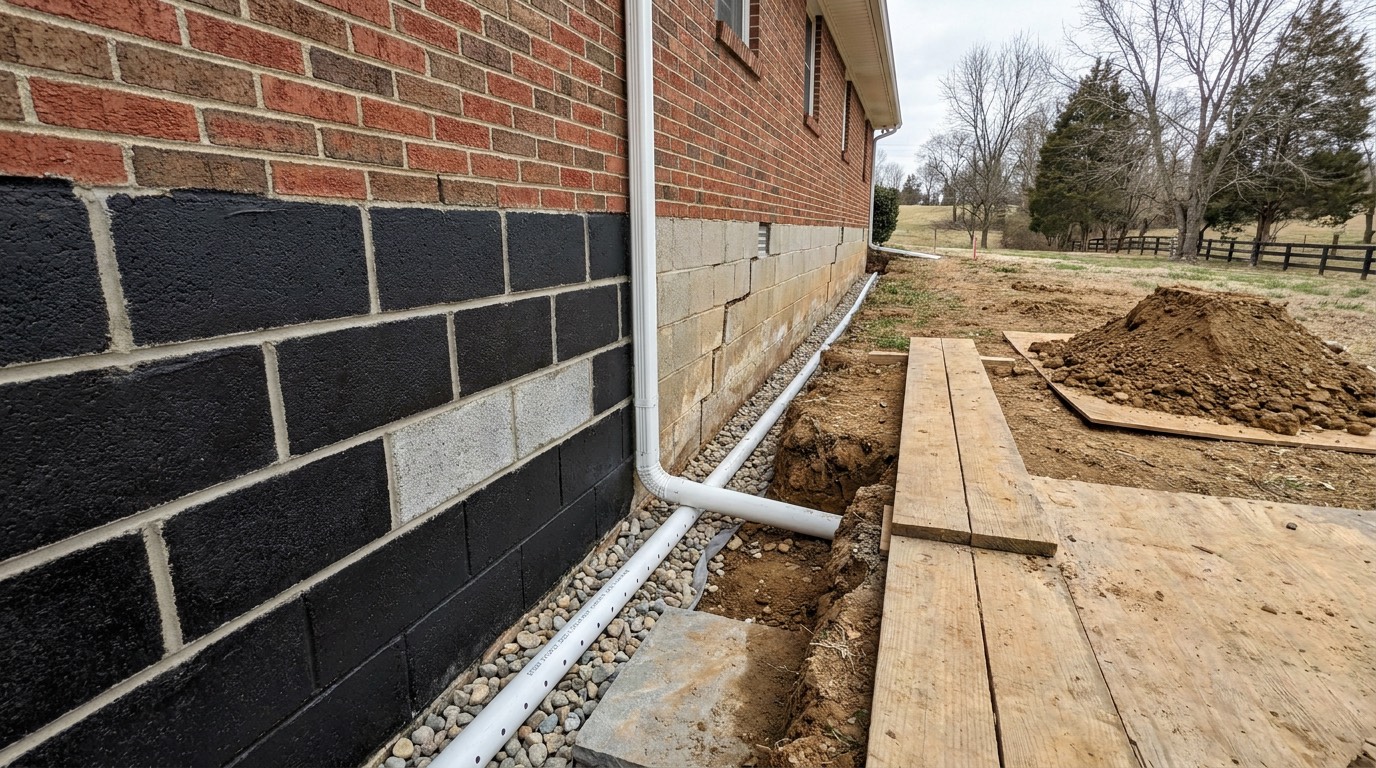
Foundation and Basement Masonry
Foundation repair and basement walls
Learn more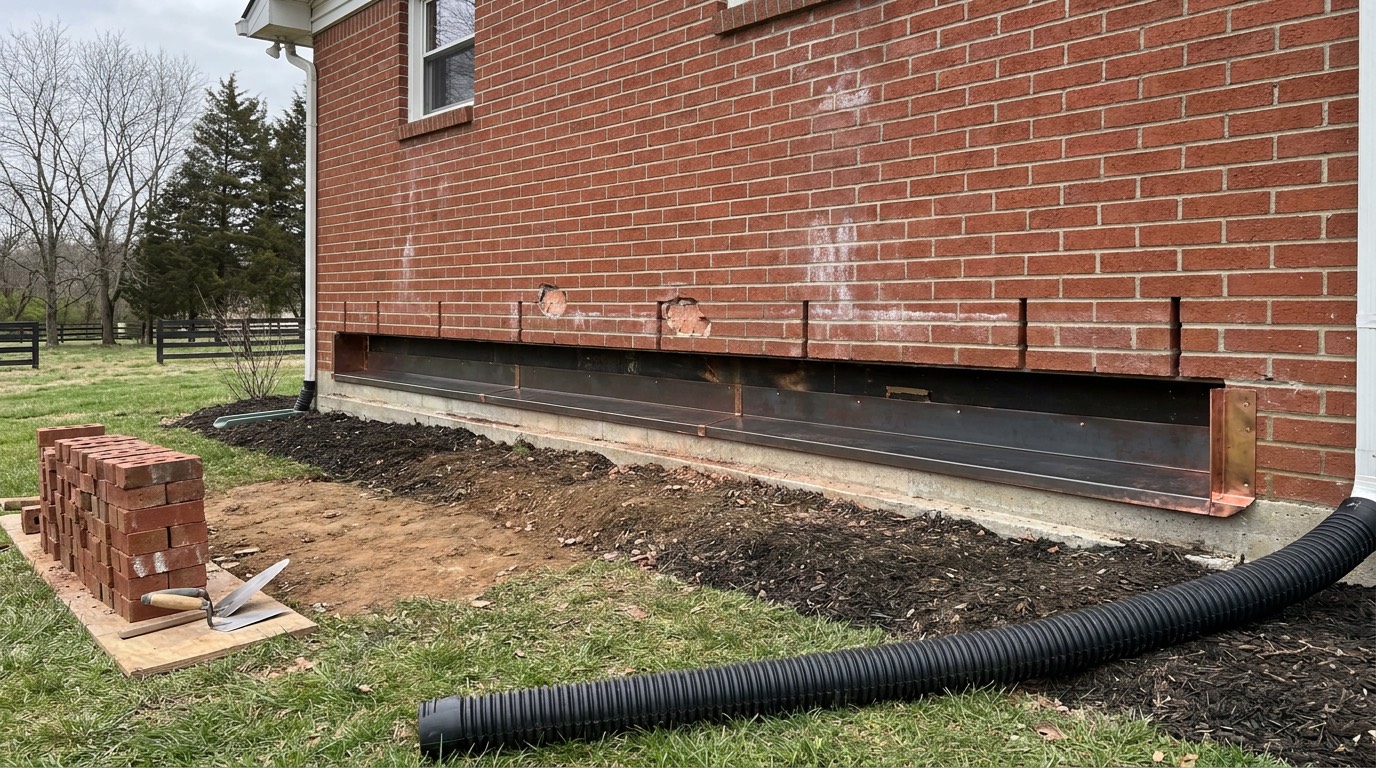
Masonry Waterproofing and Sealing
Sealers, flashing and drainage details
Learn more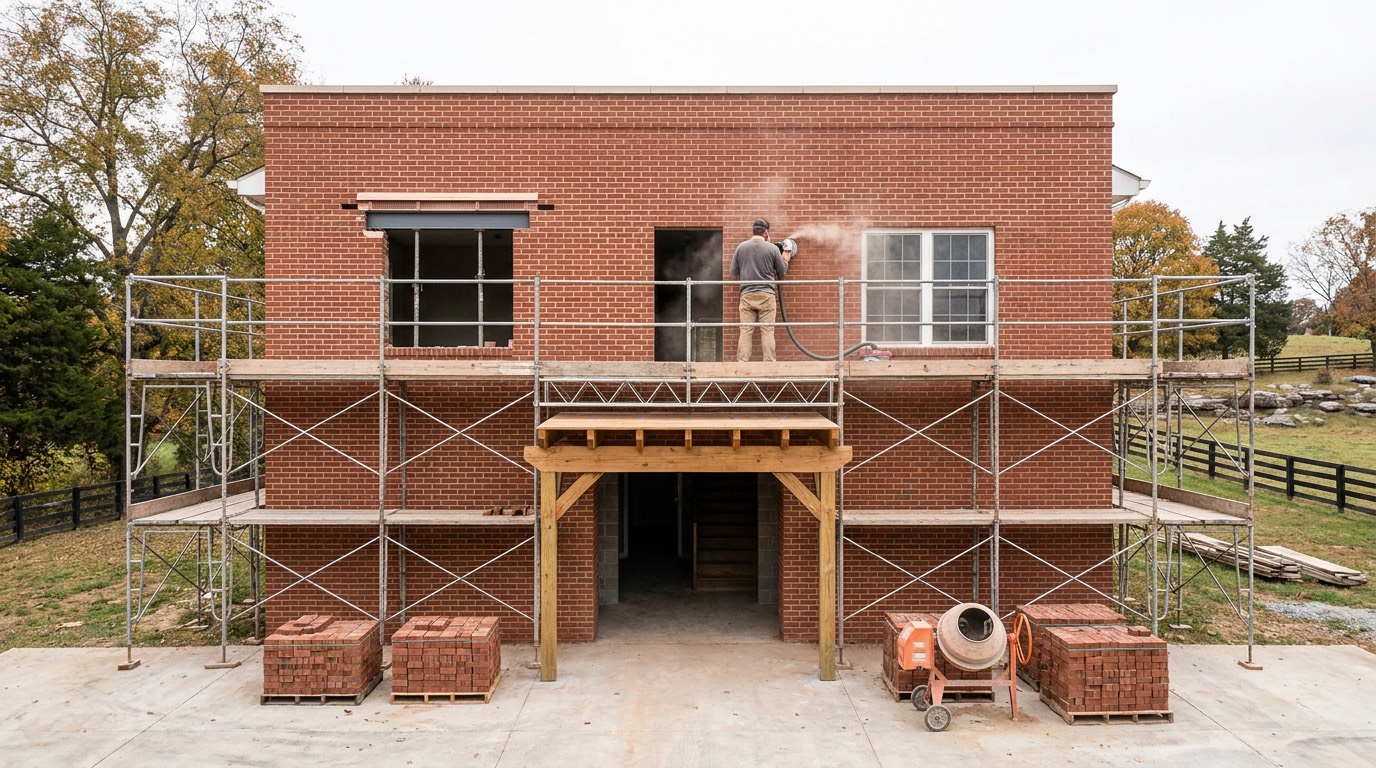
Commercial Masonry
Retail, multi-family and light commercial
Learn moreStraight answer on your wall.
Call, or send the form and we will get you a written price.