Brick Maintenance on MTSU Area Rentals: A Landlord's Working List
Rental brick near campus fails in a predictable order, and almost all of it starts with water that was never managed. Here is how to triage it across a portfolio.
What is actually rented around campus
The rental stock in the blocks between MTSU and the Murfreesboro square is not one thing. There are postwar brick ranches converted to student houses, nineteen sixties and seventies duplexes and fourplexes built as rentals from day one, and older single family houses cut into units somewhere along the way.
What they have in common is age. The mortar in a lot of these buildings is original, which puts it well past fifty years of Middle Tennessee weather. That is not a crisis. It is a maintenance stage, and it arrives on the whole building at roughly the same time rather than one wall at a time. The newer veneer rentals out in Smyrna and La Vergne fail differently, from installation faults rather than from wear.
Deferred masonry does not stay the same price
Most maintenance items sit still while you ignore them. A worn floor is a worn floor next year. Masonry does not behave that way here, and the reason is freeze and thaw.
An open or eroded mortar joint takes on water. Middle Tennessee does not lock that water up under one long freeze, it cycles it. A Rutherford County winter runs night after night below freezing with afternoons back above it, and each time the water in that joint freezes it expands and levers the joint open a little further. Every cycle widens the path. Once water is reaching the brick face rather than just the joint, the same process starts popping the fired face off the brick, and a spalled brick is a replacement rather than a repointing.
So the number moves. A wall that wants repointing this year can want repointing plus brick replacement in five, and the brick replacement is the part that costs real money because matching fifty year old brick is difficult and slow.
Want a price for your own wall?
Four quick questions and we come back with a written quote. Or call (772) 251-6654 if that is faster.
Request a quote
Four questions, about a minute. We'll call you back.
The cheap items that prevent the expensive ones
Almost every masonry failure on a rental traces back to water that was never given anywhere to go. The controls for that are gutters and grade, and they cost a fraction of the masonry work they prevent.
This is the walk to do at every property, and it takes about fifteen minutes per building. None of it needs a mason.
- Gutters clear, joints not leaking, and actually draining rather than overflowing at the corners
- Downspouts discharging at least several feet from the wall, not into a splash block that has shifted
- Grade sloping away from the building, with soil and mulch kept below the bottom course and the weep holes
- Shrubs and vines cut back off the brick so the wall can dry and can be seen
- Hose bibs, AC condensate lines and dryer vents not soaking one patch of wall year round
- Sprinkler heads, where they exist, not spraying the building
Your work window is the turn
Masonry on a student rental is squeezed between two closed doors. Winter shuts one of them. Mortar will not cure below roughly forty degrees, so December through February is out unless you are paying for heated materials and an enclosure around the work. The lease shuts the other. Every month warm enough to lay mortar is a month somebody is living in the unit, and grinding joints out beside an occupied bedroom is loud, dusty and runs for days.
The overlap is the summer turn. Late May through July gives you an empty unit, a dry wall and working temperatures at the same time. It is the only window where all three line up, and every other landlord in Murfreesboro has worked that out too. The masons who do this work well are spoken for across Rutherford County by then.
Which means booking early. Getting on a mason's schedule in March for June work is normal. Calling in June for June work usually means calling whoever is available, which is a different pool of contractors than the one you want.
Triage: now, watch, later
Not everything on an old brick building needs doing, and a contractor who tells you it does is selling rather than assessing. Sort the list into three buckets and the budget conversation gets much easier.
Now means anything unsafe or anything actively letting water into the structure. Loose or displaced brick over an entry, a leaning chimney, a rusting steel lintel jacking the brick above a window, water showing up inside a unit.
Watch means a defect that is real but stable. A hairline stair step crack that has not moved, light efflorescence on one wall, a few eroded joints on the sheltered elevation. Photograph it, write the date on the photo, and take the same shot next year from the same spot. Later means cosmetic. Mismatched patching from a previous owner, mortar color variation, staining that bothers nobody living there.
- Now: loose brick, leaning chimney, rusting lintel, water inside
- Watch: stable cracks, light efflorescence, isolated joint erosion
- Later: color mismatch, old patches, cosmetic staining
Budget per door and batch the visits
Mobilization is a genuine cost on masonry work. Getting a crew, materials, mixing gear and scaffold to a site takes time whether the job is half a day or a week. That has a direct implication for anyone holding several properties.
Doing four units on the same street in one visit costs measurably less than four visits across a year. If your doors are scattered across Murfreesboro, Smyrna and Christiana, group them by geography and by season instead of reacting building by building, because the drive between them lands on the invoice one way or another. Where a single building needs more than the budget allows, phase by elevation rather than by patch, and start with whichever wall takes the most weather and water.
It also helps to hold a masonry line in the reserve rather than treating every repair as a surprise. Old brick buildings are predictable. They will need pointing, they will need chimney attention, and knowing that in advance is cheaper than discovering it in February.
What to ask tenants to report
Your tenants are in the building every day and you are not, and if these doors are managed from Nashville or Franklin you may not stand in front of that wall between turns. The trouble is that nobody reports a masonry defect unless they know it counts as one, and a student is not going to call about a mortar joint.
Give them a short list at move in, in plain terms, and keep it to things a person notices without looking for them. Water anywhere inside that should be dry. A brick that moves or has fallen. A crack that was not there before. Sand or grit collecting on a sill or on the ground below a wall, which is mortar coming out. Anything visibly leaning.
Ask for a photo with the message. A dated picture from the day it was noticed is worth a great deal when you are deciding between now, watch and later, and it costs your tenant ten seconds.
Related questions
A tenant sent a photo of white powder on the basement wall. Urgent?
Not usually urgent, but it is telling you water is moving through that wall. Start outside with the gutters, the downspout discharge and the grade against that elevation. Coating the inside face treats the symptom and hides the evidence.
Should I repoint the whole building or just the bad wall?
Phase by elevation, not by patch. Setup costs get paid every time a crew comes back, and new mortar next to failed mortar still lets water in around it. Start with the wall taking the most weather, then work through the rest as budget allows.
Can masonry work be done with tenants in place?
Most exterior work can, with notice. Be straight with the tenant about it: grinding joints out is loud, throws fine dust everywhere, and needs the ground beside the wall clear for several days. Parking is usually where the friction starts. On a Murfreesboro student rental, though, the easier answer is often to wait. An empty unit between semesters gives you the wall to yourself and warm weather at the same time, and nobody to apologize to.
Is it worth repointing a property I might sell in a few years?
That depends on what the wall looks like, not on your timeline. Sound joints with cosmetic wear can wait. A wall shedding mortar or spalling brick will be written up in an inspection report, and a buyer's estimate for that work is rarely kinder than yours.
Would painting the brick be a cheaper fix for a tired building?
It is cheaper once and more expensive afterwards. A film forming paint traps moisture in brick that needs to dry, and trapped water in a Tennessee winter is exactly what spalls a face. It is also close to permanent, since removing paint from brick is difficult and damaging.
How often should I actually inspect these buildings?
Once a year from the ground covers most of it. Early spring is the right time, because that is when the damage from a Middle Tennessee winter of freezing nights and thawing afternoons is easiest to read on a wall. Add a quick walk after any severe storm, which around here means most weeks between March and May. Then check chimneys and gutters again before the first hard freeze.
More guides
All guides →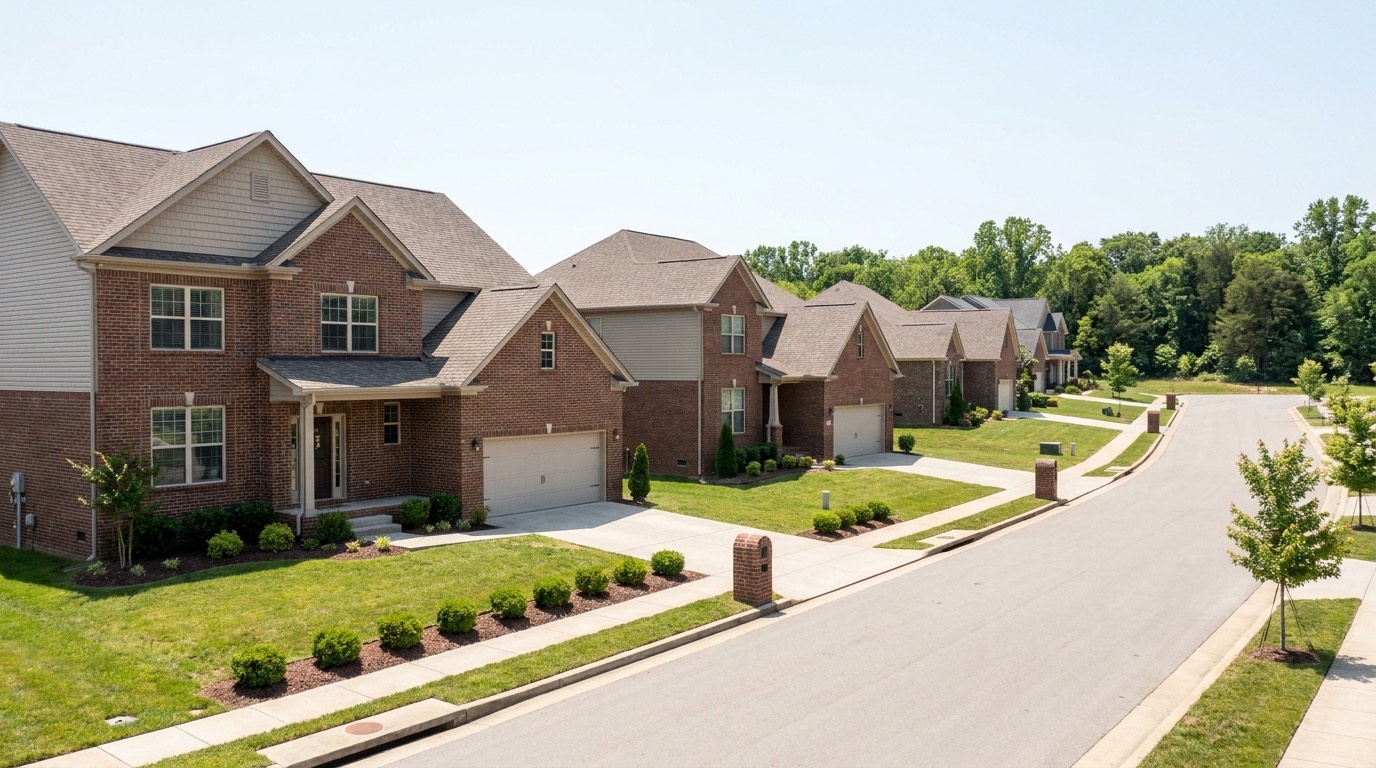 Local guide
What to Watch on New Brick Veneer in Smyrna and La Vergne
A ten year old subdivision house is not old. It is just old enough for the details behind the brick to start reporting on how carefully they were built.
Read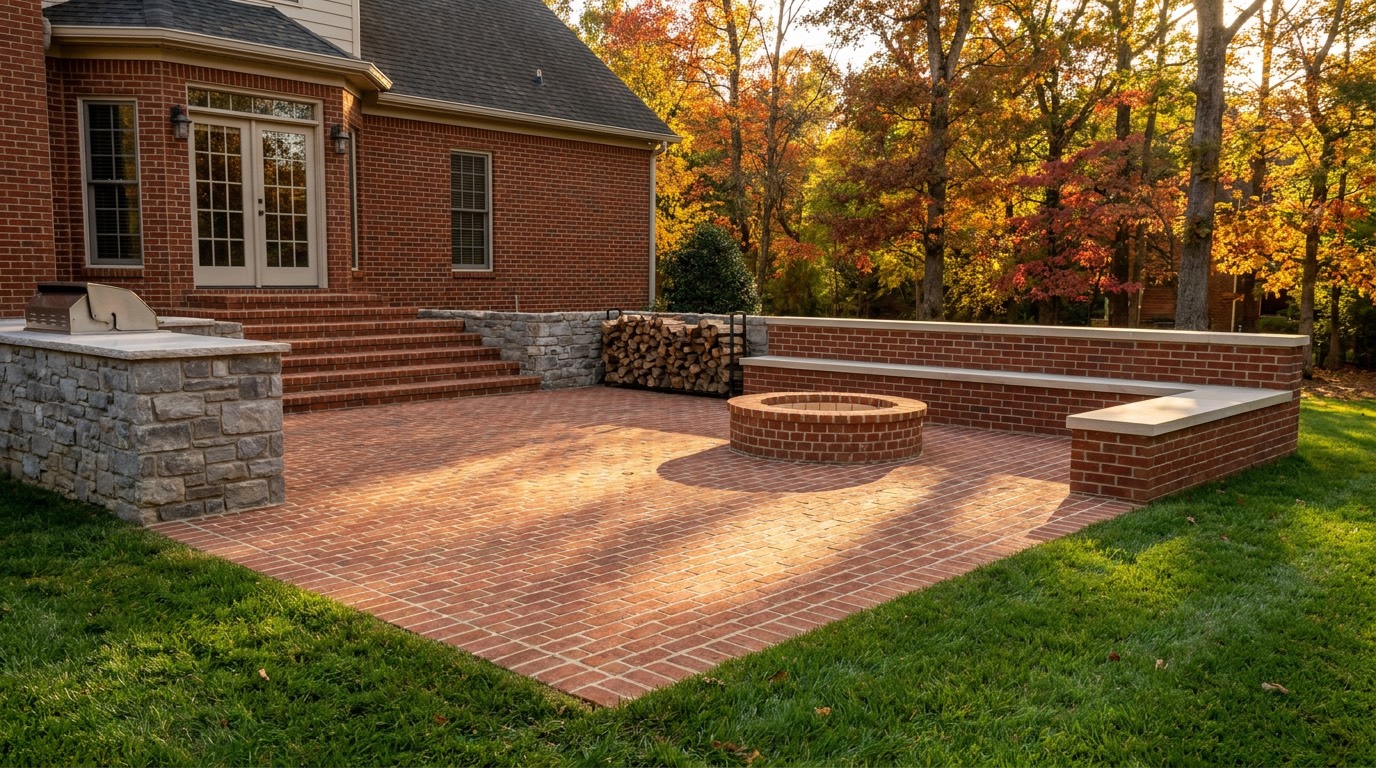 Cost guide
What an Outdoor Fireplace Costs in Murfreesboro
Most of an outdoor fireplace budget sits in three places you cannot see from the finished photo: the footing, the firebox and the chimney height. Here is how those move the number in Rutherford County.
ReadWhat a Pressure Washer Really Does to Brick and Mortar
A rented pressure washer can remove more mortar in ten minutes than weather removes in ten years. The damage is quiet, and it usually shows up the following winter.
Read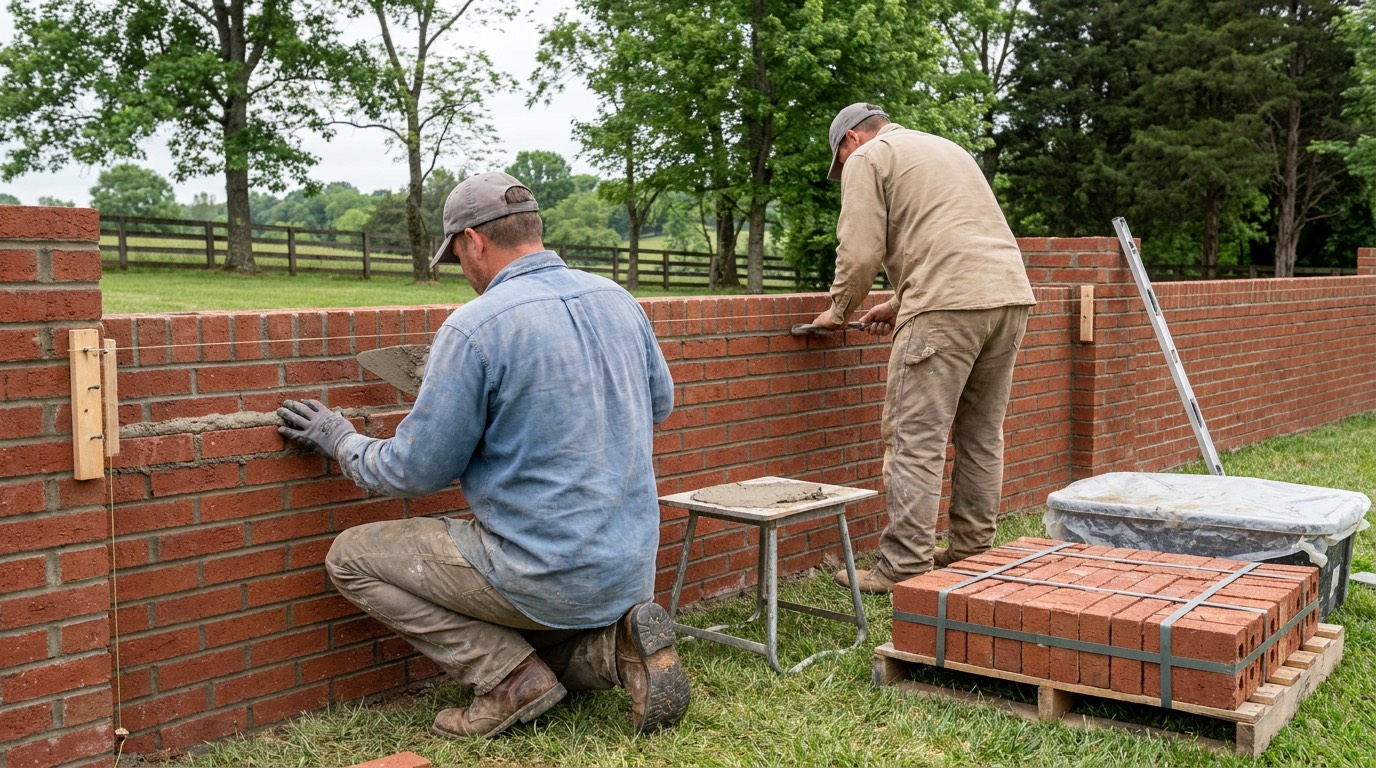 Hiring
Questions That Tell You Whether You Are Talking to a Mason
You do not need to know masonry to hire well. You need six or seven questions and the patience to listen to how somebody answers them.
Read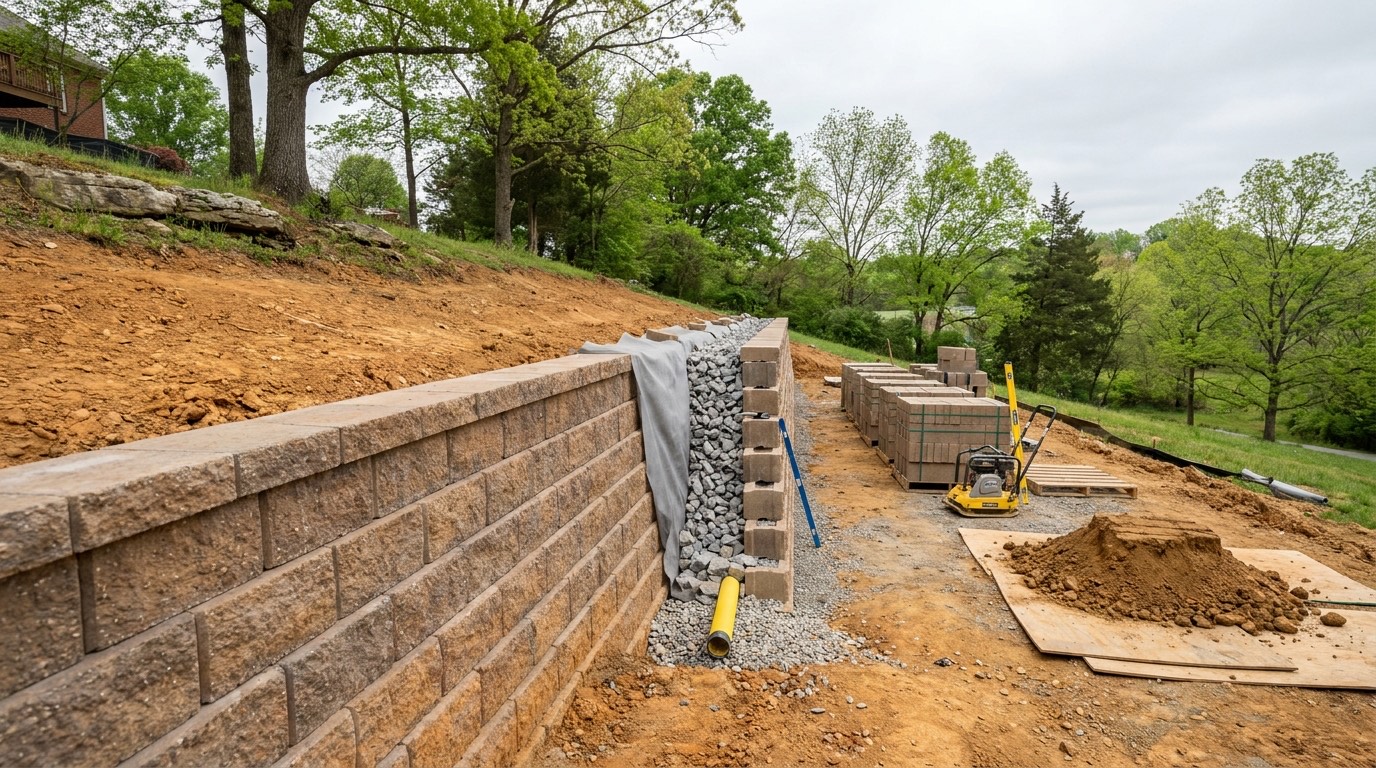 Cost guide
What a Retaining Wall Really Costs in Middle Tennessee
Two walls the same length on the same street can be double each other. Almost all of the difference is buried behind the face, in the base, the backfill and the drainage.
ReadStraight answer on your wall.
Call, or send the form and we will get you a written price.