Foundation Repair Cost in Middle Tennessee: How the Number Gets Built
Block repair, carbon fiber, piers and underpinning all get sold as foundation repair, and they are not the same work. What moves the price in Rutherford County, and where a mason stops and an engineer starts.
Nobody budgets for a foundation
Foundation work is the masonry job nobody planned for. A roof gets replaced on a schedule. A patio is a choice. A cracked block wall under the house is something you find, usually because a door stopped latching or a floor started running downhill toward one corner.
That is why the pricing feels like a black box. You have nothing to compare it against. So here is how the number gets built around Murfreesboro, and where the line sits between a masonry repair and an engineered one. Two houses on one street can need the same repair and land thousands apart because one crawl space is four feet tall and the other is eighteen inches with a heat pump in the way.
What is actually holding your house up
Most homes here sit on a concrete block stem wall over a poured footing, with a crawl space underneath. Older houses in town sometimes have block over a fieldstone base. Full basements exist but they are the minority around Murfreesboro. That block wall is masonry, so it fails the way masonry fails. Joints let go, blocks crack on a diagonal, and a wall holding back soil bows inward at mid height.
Two ground conditions drive most of it. Clay soils across the county shrink through an August drought and swell again in a wet spring, so the dirt under a footing is not a fixed thing. And Middle Tennessee sits on limestone with karst features, which the USGS maps across this region, meaning depth to rock can change sharply inside a single lot. Shallow rock under one corner and soft soil under the next is an ordinary way for a footing to end up out of level.
Want a price for your own wall?
Four quick questions and we come back with a written quote. Or call (772) 251-6654 if that is faster.
Request a quote
Four questions, about a minute. We'll call you back.
The repairs, and what each generally runs
These are ranges, not quotes, and all of them move with access, wall height, material and how much of the run is involved. Only the first carries a published local range, from a foundation contractor working in Murfreesboro. The rest swing so hard on access that printing a rate would mislead you. For scale, masonry labor commonly runs $40 to $100 an hour in national figures, and under a house you are buying hours rather than material.
The spread across that list is the whole point. Repointing and underpinning both get sold under the words foundation repair, and they are nothing like the same job. Ask which one you are being quoted before you compare two numbers.
- Repairing an isolated non structural crack in block: $400 to $800 per crack around Murfreesboro
- Repointing deteriorated joints in a crawl space wall: quoted by the square foot of wall, with access driving it harder than area does
- Rebuilding a failed wall section with temporary support in place: priced off the length of the run and what holds the house up while it is out
- Carbon fiber straps on a bowing wall: priced per strap, with the spacing set by an engineer rather than by whoever is selling them
- Steel or helical piers under a settled footing: priced per pier installed, and a settled corner rarely needs only one
- Full underpinning with engineering, permits and restoration: the top end of this trade, and never something to buy without a written scope
What moves your number, in order
Access comes first and it is not a ten percent factor. A crawl space you can sit up in is a different job from one you belly crawl through. Every block, every bag of mortar and every bucket of spoil moves in and out through the same small opening on somebody's knees.
After that comes the length of wall involved rather than the number of cracks, because shoring and setup cost the same for six feet or twenty six. Then whether the section carries load, which decides if temporary support goes in before anything comes out. Then depth, since work below grade means excavation, and excavation near shallow limestone can mean the bucket stopping two feet down while a hammer finishes the hole. Settle that in writing before the machine arrives: a depth included in the price, and a rate beyond it. Last come the things that are not masonry at all. A deck, a patio, a condenser pad or a mature tree sitting where the machine needs to be has to be removed, worked around or rebuilt, and that lands on the invoice.
When you need an engineer, not just a mason
There is a clean line here. A mason can tell you what the masonry is doing. An engineer tells you why the ground under it is doing that, and what load the fix has to carry.
Bring one in when a wall is bowing rather than simply cracked, when a crack is wider at one end and still opening, when floors above have gone measurably out of level, when an earlier repair has already failed, or when anybody proposes piers. A pier layout is a design, and it should come from someone who does not sell piers. An evaluation is not free, and it is still the cheapest hour on a foundation project, because it gives you one scope that two bidders price against instead of two sales pitches you cannot line up.
What can be watched instead of fixed
Not every crack is a repair. Block shrinks as it cures, and a tight hairline vertical crack near the middle of a long wall, not offset, not damp, is frequently just that and nothing worse.
Mark both ends with a pencil and write the date beside it, photograph the crack with a tape across it, then look again in three months and once more after a wet spring. A crack that has not changed through a full cycle of drought and rain has told you something worth knowing.
Stop watching when it opens past roughly a quarter inch, when one side sits proud of the other, when water comes through it, when it runs stair step through the joints toward a corner, or when doors and windows above it begin binding. That is movement, not curing.
Comparing two foundation quotes
Foundation work draws high pressure selling, because fear does most of the work for the salesman. A written scope is your defense. Make both bids describe the same thing: which wall sections, what method, how the house is supported during the work, where the spoil goes, what gets restored afterward and what does not, and whether a permit is being pulled.
Structural work of this kind is generally permitted. Confirm that with the Rutherford County building department yourself rather than taking a contractor's word that none is needed. Most foundation jobs sit above the size where a state contractor license stops being optional. Check the license, its classification and the current threshold with the Tennessee Board for Licensing Contractors yourself, before anybody breaks ground. Anyone who will not hand you a number to look up has already answered the question. And the ranges on this page are a frame, not a quote. What your house actually needs gets settled in the crawl space, on somebody's knees, not on a page like this one.
Related questions
Is a crack in my crawl space block wall serious?
Width, offset and change over time answer that. A tight hairline vertical crack with both faces flush is often curing shrinkage. A crack past about a quarter inch, one wider at one end, one with the sides offset, or one running stair step toward a corner means the wall has moved and wants an inspection. Around Murfreesboro the usual reason for movement is support that changes along the footing, since depth to limestone can vary sharply inside one lot and the clay in between moves with the season.
Is foundation work cheaper at a particular time of year?
Not cheaper, but easier to schedule well. Late summer and early fall give you the driest clay in Rutherford County and the best digging of the year. Spring excavation in saturated ground is slow and messy enough to show up in a price, and once the air settles under about forty degrees the mortar side of the work needs heat and enclosure or it waits.
Do I need an engineer before I collect quotes?
For a bowing wall, measurable settlement or anything involving piers, get the engineer first. Their report becomes the scope every bidder prices against. For isolated joint deterioration or a single stable crack, a mason can usually assess it without one.
Will my homeowners insurance pay for this?
Policies commonly exclude earth movement and gradual settlement, which covers most of what we see. A sudden event such as a burst supply line washing out soil under a footing sometimes lands differently. Read your own policy and ask your agent before assuming either way.
Somebody knocked on my door about my foundation. Should I listen?
Take the information, then get your own opinions. Unsolicited foundation sales lean on urgency, same day discounts and free inspections that find something every time. Nothing about a foundation gets worse in the week it takes to get two more quotes and an engineer's view.
Why did the price go up once they started digging?
Around here that usually means rock. Limestone sits close to the surface in parts of Rutherford County and far deeper a lot line away, and nobody knows which you have until the ground is open. Breaking it costs many times what moving the same volume of ordinary soil costs, because the bucket gives way to a hammer and the day slows right down. It is the most common change order in this market, so ask at quote stage how rock gets handled and get the answer on paper. A contractor who has worked this ground will already have a line for it.
More guides
All guides →Freeze-Thaw: Why Middle Tennessee Brick Breaks Down
It is not the cold that breaks brick. It is water in the brick, crossing freezing over and over, which is exactly what a Middle Tennessee winter delivers.
Read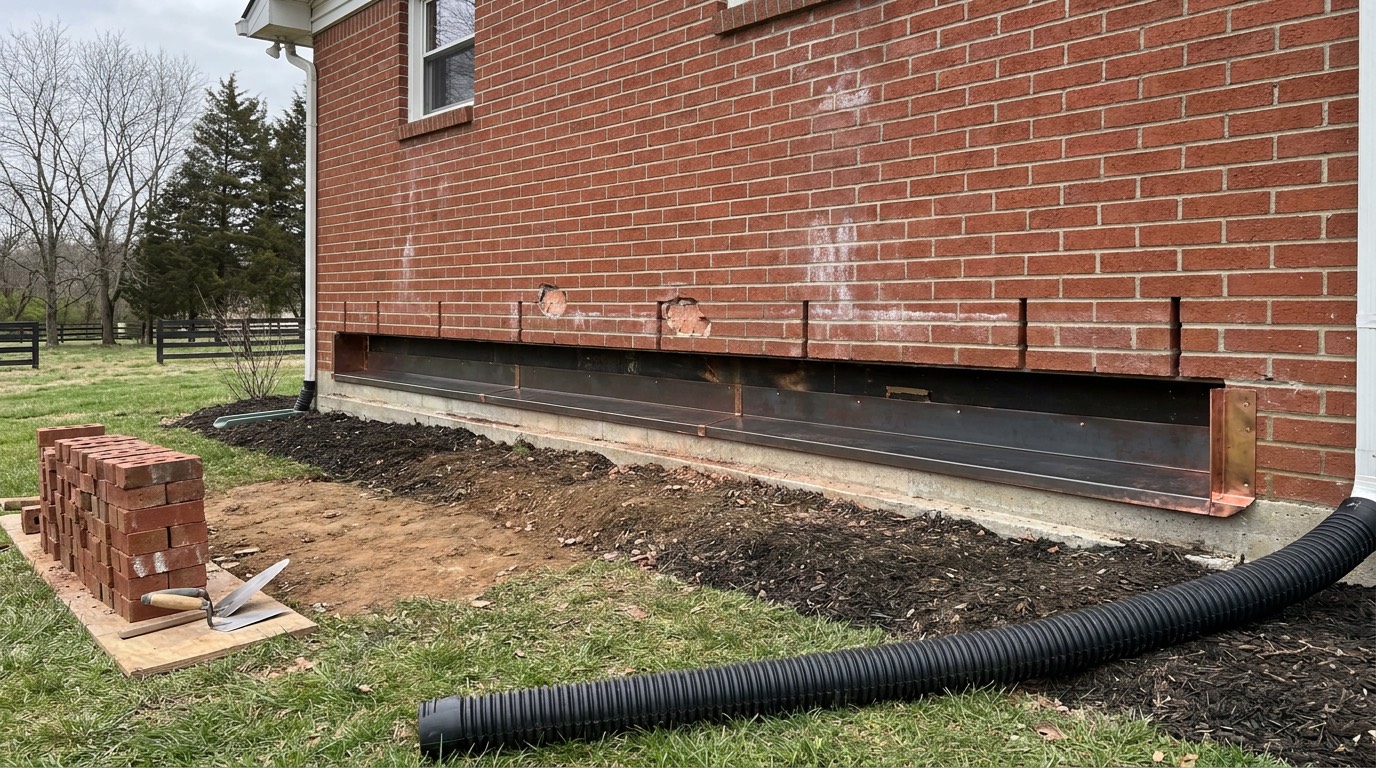 Maintenance
Gutters and Drainage: The Damage Nobody Blames on Water
Most of the brick damage we get called out to look at in Rutherford County traces back to a gutter or a downspout. Drainage is the cheapest masonry maintenance there is, and the most commonly skipped.
Read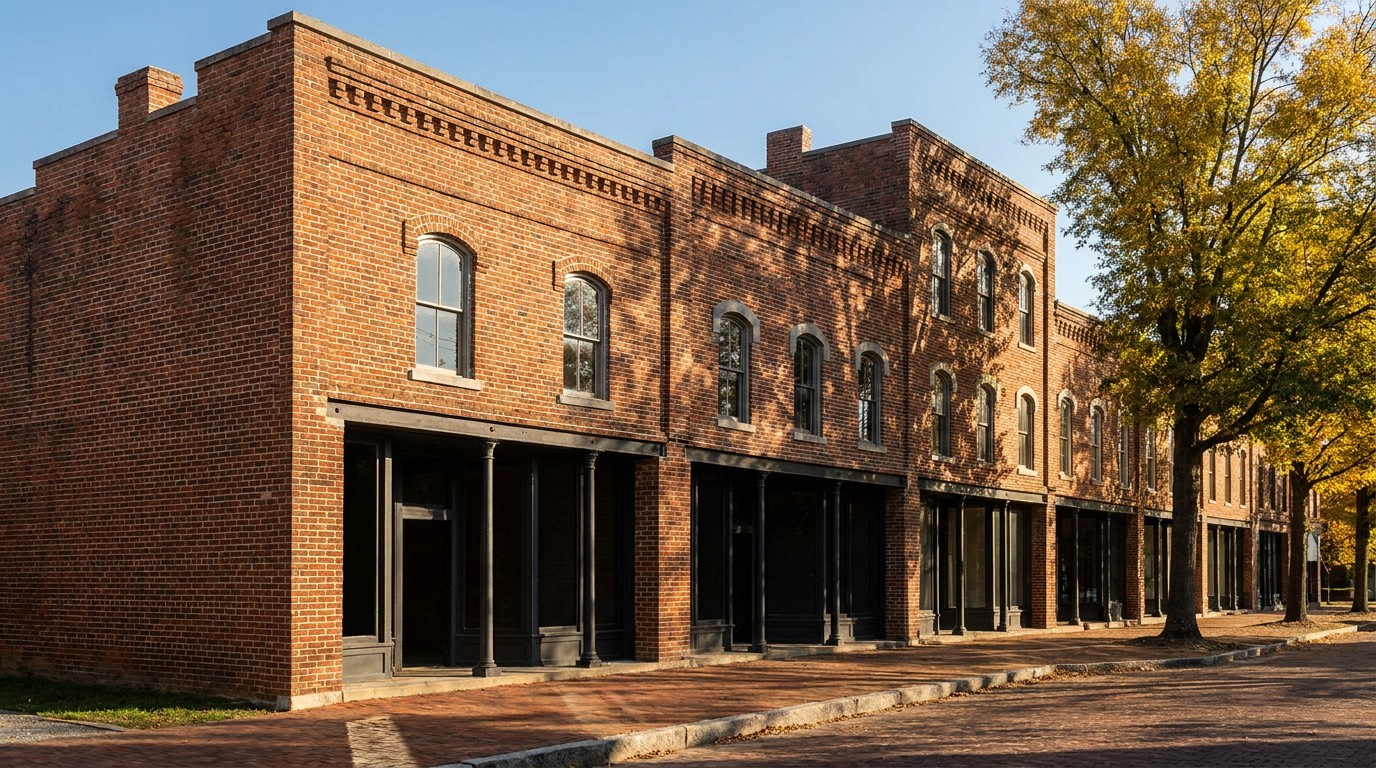 Local guide
Historic Brick Around the Murfreesboro Square: What It Needs
The brick downtown was made in a different century by a different process. Treat it like modern brick and you will watch the faces come off within a few winters.
Read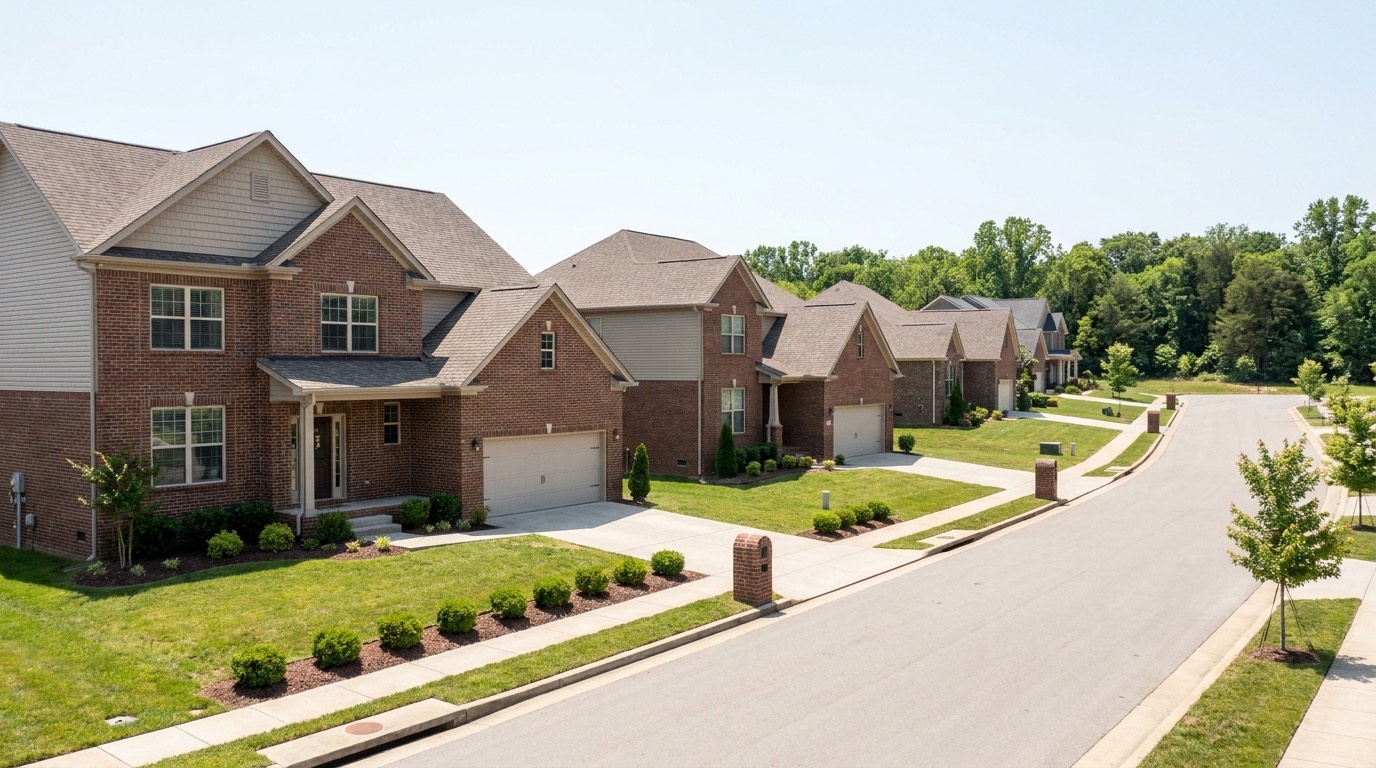 Local guide
HOA Rules and Brick Repair in Middle Tennessee
In most Middle Tennessee subdivisions the brick on your house is governed by covenants. Here is what architectural review usually wants, and why matching brick is the hard part.
Read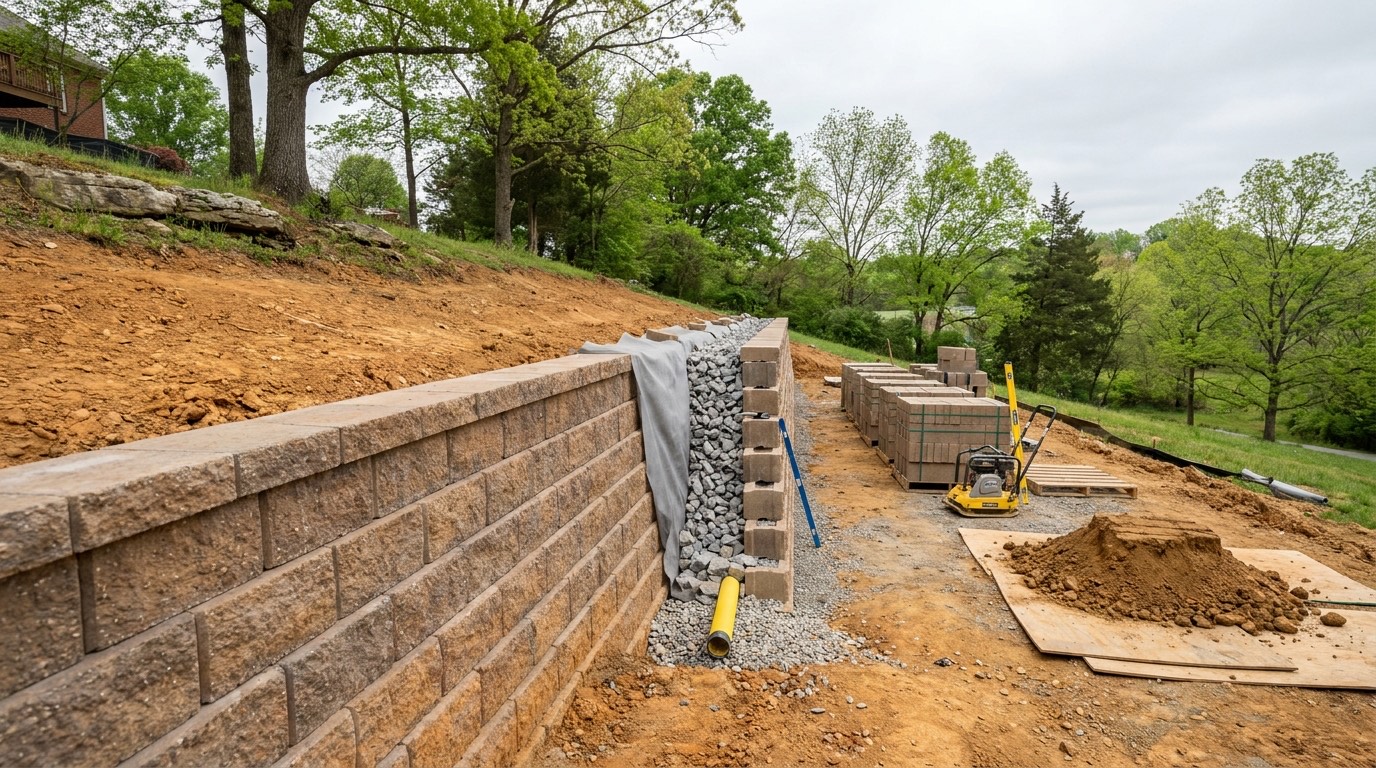 How it works
How a Retaining Wall Drains, and Why That Decides Everything
Retaining walls rarely fail because the blocks were weak. They fail because water got into the backfill and had nowhere to go. The drainage is the wall.
ReadStraight answer on your wall.
Call, or send the form and we will get you a written price.